Outdoor / Garden FAQ — common questions answered

ByChen Wang · Senior Editor
Published May 31, 2026
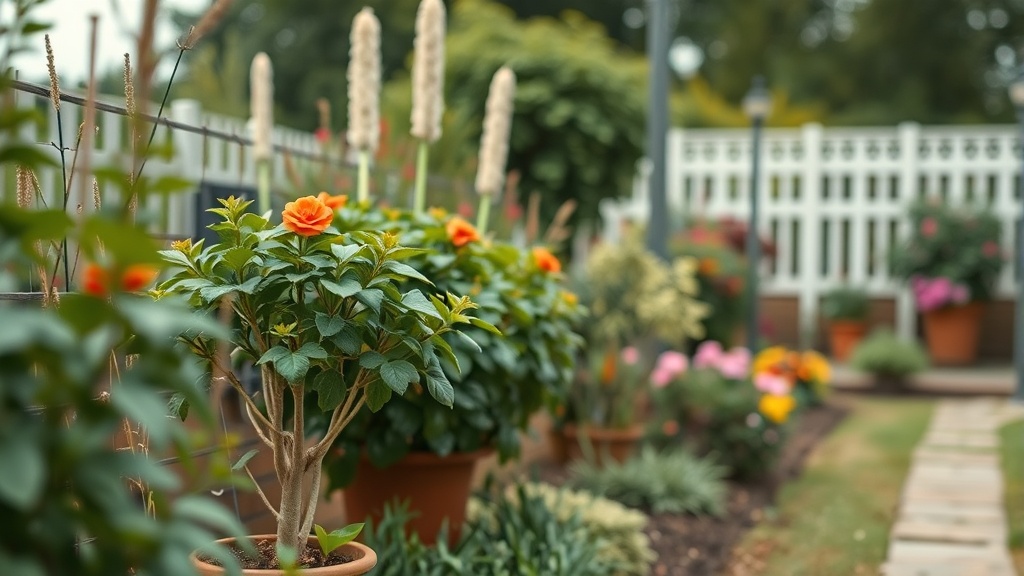
11. Outdoor / Garden FAQ — Common Questions Answered
Gardening and outdoor care can be richly rewarding but often come with a learning curve. Whether you’re a beginner or looking to brush up on your gardening knowledge, we’ve compiled answers to some of the most frequently asked questions about outdoor and garden care. These practical tips cover everything from soil and plants to tools and maintenance, helping you cultivate a thriving outdoor space.
1. When is the Best Time to Start Planting in My Garden?
The best time to start planting largely depends on your climate and the type of plants you want to grow. For most regions, spring is ideal for sowing seeds and transplanting seedlings because the soil warms up, and frost risk diminishes. However, some cool-season crops (like lettuce, peas, and spinach) can be planted in late winter or early spring. Conversely, warm-season plants (like tomatoes and peppers) should go in after the last frost date.
Research your local frost dates or consult a regional planting calendar for the most accurate timing.
2. How Often Should I Water My Garden?
Watering frequency depends on plant type, soil type, weather, and stage of growth. Generally:
- Newly planted seeds/seedlings: Keep soil consistently moist but not waterlogged.
- Established plants: Water deeply once or twice a week, depending on rainfall.
- Sandy soil: May need watering more often as it drains quickly.
- Clay soil: Water less frequently but more deeply to encourage deep root growth.
A good rule of thumb is to water early in the morning to reduce evaporation and allow foliage to dry, minimizing disease risk.
3. What Kind of Soil Should I Use in Raised Beds?
Raised beds offer great control over soil composition. A common recommendation is a mix of:
- 40% topsoil
- 40% compost or well-rotted organic matter
- 20% aeration material such as perlite, vermiculite, or coarse sand
This balance provides nutrients, moisture retention, and drainage. Always ensure the soil is loose and crumbly to promote healthy root development.
4. How Do I Prevent Weeds Without Chemicals?
Weeds compete with plants for nutrients and water. You can manage weeds effectively without herbicides by:
- Using a thick mulch layer (like bark chips, straw, or compost) to block sunlight.
- Hand-pulling weeds regularly before they flower and set seed.
- Planting dense ground covers or companion plants that suppress weed growth.
- Applying landscape fabric in pathways or bare spots under mulch for extra protection.
Regular maintenance is key—consistent attention keeps weeds manageable.
5. Can I Compost Kitchen Scraps in My Garden?
Yes, composting kitchen scraps is an excellent way to recycle nutrients back into your garden. Use vegetable peelings, coffee grounds, eggshells, and fruit scraps. Avoid adding meat, dairy, oily foods, or diseased plants.
For best results:
- Chop larger pieces to speed decomposition.
- Maintain a good mix of green (nitrogen-rich) and brown (carbon-rich) materials.
- Turn the pile regularly to aerate.
- Keep the compost moist but not soggy.
Finished compost enriches garden soil and helps retain moisture.
6. How Do I Protect My Garden from Pests Without Chemicals?
There are many environmentally friendly methods to control pests:
- Encourage beneficial insects like ladybugs and lacewings by planting flowers such as marigolds and dill.
- Use barriers like row covers or netting to protect plants.
- Apply natural pest deterrents such as neem oil or insecticidal soap.
- Rotate crops each season to reduce pest buildup.
- Practice good sanitation by removing plant debris where pests can overwinter.
Integrated pest management (IPM) focuses on prevention and monitoring before treatment.
7. What Are the Benefits of Raised Beds?
Raised beds offer several advantages:
- Better drainage and soil structure control.
- Reduced soil compaction and easier access, especially for gardeners with limited mobility.
- Extended growing season as soil warms faster in spring.
- Clear delineation of garden spaces, aiding weed and pest management.
- Ability to grow plants in areas with poor native soil.
They can be built with various materials such as wood, stone, or recycled composites.
8. How Can I Extend the Growing Season?
To get more growing time, consider:
- Using cloches, cold frames, or mini-greenhouses to protect plants from frost.
- Planting cold-hardy varieties early and late in the season.
- Applying mulch or row covers to retain soil warmth.
- Starting seeds indoors to transplant after the last frost.
- Using raised beds for warmer soil temperatures.
These strategies help you grow crops beyond the traditional outdoor window.
9. What Tools Are Essential for Garden Care?
Basic tools every gardener should have include:
- A hand trowel for planting and transplanting.
- A garden fork or spade for digging and turning soil.
- Pruning shears for trimming and shaping plants.
- A watering can or hose with adjustable nozzle for targeted watering.
- A glove pair to protect hands.
- A rake for leveling soil and clearing debris.
Choose durable tools suited to your garden size and personal comfort.
10. How Do I Know When to Harvest My Vegetables?
Timing depends on the vegetable:
- Leafy greens: Pick leaves when they reach a usable size, usually before flowering.
- Root crops (carrots, beets): Harvest when roots are mature but still tender.
- Fruits (tomatoes, cucumbers): When fully colored and firm.
- Beans and peas: When pods are filled but still tender and before seeds harden.
Regular harvesting encourages more production and prevents overripe produce.
11. How Can I Attract Pollinators to My Garden?
Pollinators like bees, butterflies, and hummingbirds are vital for fruit and seed production. To attract them:
- Plant a variety of native flowering plants that bloom at different times.
- Avoid using pesticides, especially during bloom periods.
- Provide a water source such as a shallow dish with stones.
- Include herbs and flowers known to attract pollinators, like lavender, coneflowers, and sunflowers.
- Leave some undisturbed areas for nesting.
Encouraging pollinators can increase your garden’s productivity and biodiversity.
Gardening is a journey that blends knowledge, patience, and a love of nature. By understanding these common questions and practical solutions, you can nurture a flourishing outdoor space that brings beauty and bounty throughout the seasons. Happy gardening!