Outdoor / Garden for renters / apartments

ByChen Wang · Senior Editor
Published May 31, 2026
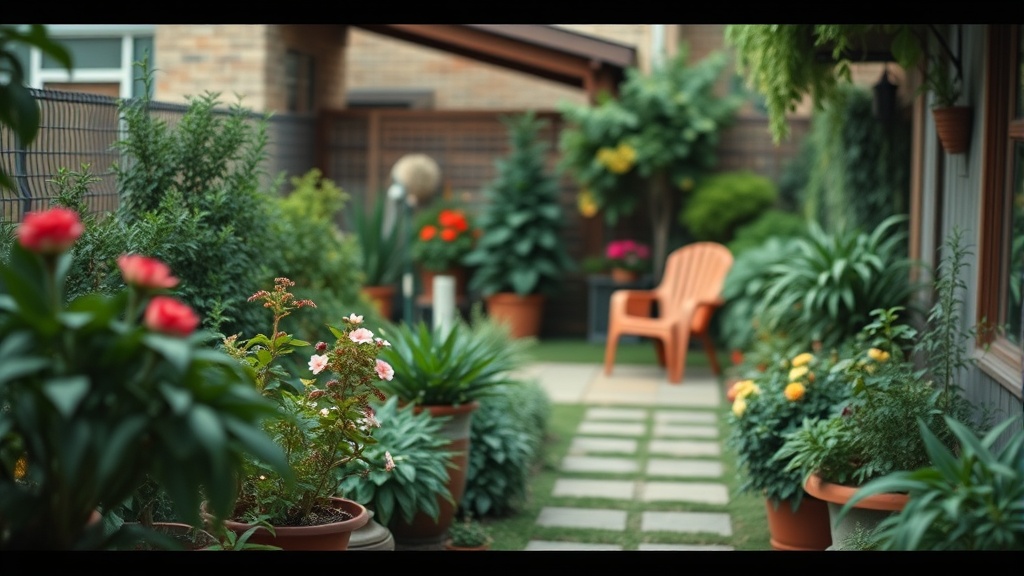
Outdoor gardening for renters and apartment dwellers is entirely possible with the right approach and tools. Whether you have a balcony, patio, or just a windowsill, you can grow fresh herbs, vegetables, or flowers without owning a yard.
Key takeaways
- Apartment gardeners can use container gardening, vertical planters, and raised beds suited for limited space.
- Choosing the right plants for your environment and light levels maximizes success in small outdoor areas.
- Portable, lightweight garden structures make gardening feasible without permanent changes or landlord approval.
- Soil quality, drainage, and watering methods are critical for apartment gardens to thrive.
- Creating a low-maintenance setup helps balance gardening with busy lifestyles.
Why Outdoor Gardening Matters for Renters and Apartment Dwellers
Many renters and those living in apartments assume that gardening outdoors isn’t feasible without a yard. However, container gardening and clever use of small spaces open up a world of possibilities for growing your own plants. Outdoor gardening improves your living space by adding greenery and fresh air, while also offering potential cost savings and satisfaction from harvesting your own produce.
Balconies, porches, fire escapes, and even window boxes can become mini-gardens with the right setup. Because renters typically cannot make permanent alterations to their living spaces, choosing non-invasive, portable gardening solutions is essential. These also help avoid conflicts with landlords and building management.
Best Outdoor Garden Solutions for Renters and Apartments
Container Gardening
Using containers is the simplest, most flexible way for renters and apartment dwellers to garden outdoors. Pots, tubs, and grow bags can be placed anywhere there’s light, are easy to move, and don’t require soil changes in the building.
- Materials: Plastic, ceramic, fabric grow bags, or self-watering pots.
- Sizes: Small pots for herbs, larger containers for vegetables or flowers.
- Drainage: Ensure containers have drainage holes and use trays to catch excess water.
Vertical Planters and Wall Gardens
Vertical gardening optimizes limited floor space by growing plants upward on walls, railings, or specially designed towers. This method suits balconies and patios where ground space is extremely limited.
- Types: Pocket planters, hanging wall grids, tiered plant stands.
- Advantages: Maximizes sun exposure, easy access.
- Considerations: Weight limits on balcony railings, wind exposure.
Portable Raised Beds with Wheels
Raised beds can be scaled to balcony dimensions and equipped with casters for portability. These allow deep soil beds for bigger vegetables and better root health while being movable to optimize sunlight or for protection against weather.
- Materials: Wood, composite, or metal frames.
- Size: Compact models around 2’ x 4’, raised 12–18” high.
- Mobility: Swivel or lockable wheels for easy repositioning.
Window Boxes and Rail Planters
For those with narrow balconies or just window access, window boxes and railing-mounted planters provide an excellent gardening option.
- Mounting: Secure attachments to prevent falls.
- Capacity: Typically smaller containers, good for herbs, lettuce, or small blooms.
- Sunlight: Check orientation for light requirements.
Choosing the Right Plants for Outdoor Apartment Gardening
Light Conditions
- Full sun (6+ hours): Tomatoes, peppers, basil, marigolds.
- Partial sun/shade (3–6 hours): Lettuce, spinach, mint, impatiens.
- Full shade (<3 hours): Ferns, ivy, coleus.
Match your plant choice to your balcony’s light availability for best results.
Plant Types for Easy Outdoor Apartment Gardens
- Herbs: Basil, oregano, thyme, chives, parsley – compact and useful.
- Vegetables: Cherry tomatoes, bush beans, radishes, salad greens.
- Flowers: Pansies, petunias, calendula, geraniums.
- Succulents/cacti: Low-water, decorative options requiring little care.
Seasonal Considerations
Start with cool-season plants like lettuce and spinach in spring, warm-season crops like tomatoes later in summer, and consider fall crops like kale or carrots if your climate allows.
Soil, Watering, and Maintenance Tips for Apartment Gardens
Soil Mix
Use high-quality commercial potting soil designed for containers rather than garden soil. Potting soil drains well and contains organic matter to support roots.
Watering
- Consistency: Indoor and balcony plants dry out faster; check moisture daily.
- Methods: Water at the base rather than overhead to minimize disease. Self-watering containers are helpful.
- Drainage: Avoid waterlogging; ensure proper drainage holes.
Fertilizing
Container plants deplete nutrients quickly, so use water-soluble or slow-release fertilizers monthly to maintain plant health.
Pest Control
Keep pests at bay with regular inspection, manual removal, and insecticidal soap when needed. Avoid chemical pesticides that may not be allowed or safe in shared apartment settings.
Checklist for Apartment Outdoor Garden Setup
| Item | Recommended Features | Notes |
|---|---|---|
| Containers | Lightweight, drainage holes | Plastic or fabric grow bags are easy movers |
| Soil | Potting mix with good drainage | Avoid garden dirt |
| Plants | Suitable for light and space | Start with easy herbs and small veggies |
| Watering system | Manual watering can or self-watering pots | Check daily moisture levels |
| Fertilizer | Balanced, container-appropriate | Feed monthly during growing season |
| Vertical supports/trellis | For climbing plants or vertical growth | Use lightweight materials |
| Mobility features | Casters or lightweight pots | Needed for weather changes or landlord rules |
| Balcony safety checks | Weight restrictions, secure mounting | Avoid damage and accidents |
Tips to Maximize Outdoor Gardening Success for Renters
- Start small: Begin with a few pots to learn your space and conditions before expanding.
- Rotate plants: Move containers seasonally to optimize light.
- Use reflective surfaces: Mirrors or white walls help increase light for shaded balconies.
- Regular pruning: Keep plants compact and encourage growth.
- Know building rules: Verify with management about water use, hanging planters, or wind damage.
FAQ
Can I garden outdoors if my apartment doesn’t have a balcony?
Yes. Indoor setups on windowsills or on a sunny deck can work well. Window boxes can be mounted outside or you can use shelves near windows for container plants.
What plants grow best on a small balcony?
Herbs like basil, parsley, and mint, small cherry tomato varieties, salad greens, peppers, and flowers such as pansies and petunias thrive in small spaces requiring moderate sunlight.
How do I avoid water damage or mess when gardening on apartments?
Use pots with drainage holes and place trays or saucers underneath. Water plants carefully to avoid overflow. Use well-draining soil to reduce excess water. Be mindful of wind and rain that might cause splashing.
How often should I water my outdoor apartment plants?
Most container plants will need watering when the top inch of soil feels dry—often daily or every other day in warm weather. Self-watering containers reduce the frequency but don’t eliminate the need to check moisture regularly.
Are raised garden beds suitable for balconies?
Compact raised garden beds with wheels or lightweight materials can work on sturdy balconies. Check weight limits and ensure they don’t block balcony drainage or violate building rules. Raised beds provide more soil depth but require attention to watering and mobility.
Outdoor and garden opportunities exist even when renting or living in an apartment, with careful planning around space, light, and plant choice. Using containers, vertical planters, and portable raised beds helps renters create and enjoy a productive outdoor garden without permanent changes or large investments.