Outdoor / Garden safety and quality signals we trust

ByChen Wang · Senior Editor
Published May 31, 2026
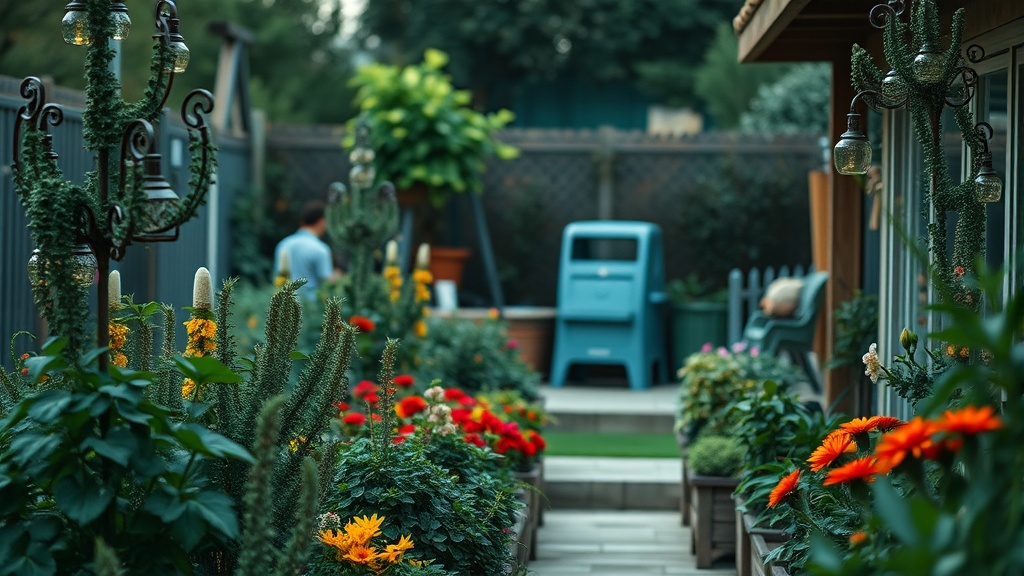
Outdoor and garden safety is a top priority for anyone looking to create a secure and enjoyable environment around their home. Understanding the key quality signals that trustworthy products and setups show can help you make informed decisions that protect your family, pets, and plants.
Key takeaways
- Look for durability in materials resistant to weather and wear.
- Certified safety standards and clear labeling are strong trust indicators.
- Proper installation and maintenance instructions enhance safety outcomes.
- Visibility features such as reflective surfaces improve outdoor hazard awareness.
- Warranties and customer feedback provide insight into long-term product performance.
Why Outdoor and Garden Safety Matter
Creating an outdoor area that is both safe and functional requires attention to the specific challenges posed by the environment. Exposure to elements like sun, moisture, temperature fluctuations, and pests means that safety products and garden equipment must be built and tested to withstand these conditions. Beyond environmental concerns, the safety of children, elderly, and pets using the area is paramount. Choosing products without considering their safety and quality signals can lead to accidents, premature wear, or costly replacements.
Key Quality Signals We Trust in Outdoor and Garden Products
Durable, Weather-Resistant Materials
One of the first signals of quality in outdoor products is the use of materials that hold up against weather and everyday use. For example:
- Powder-coated metals resist rust far better than untreated steel.
- UV-resistant plastics prevent brittleness and fading under sun exposure.
- Rot-resistant woods like cedar or redwood last longer in damp or humid gardens.
When you see these materials called out clearly in specifications, it often signals that the manufacturer anticipates outdoor demands and prioritizes longevity.
Certified Safety Standards and Labels
Reliability often comes with third-party validation. Look for products that meet or exceed established safety standards such as:
- UL (Underwriters Laboratories) marks on electrical garden fixtures.
- ASTM (American Society for Testing and Materials) standards for playground and garden furniture safety.
- CSA (Canadian Standards Association) labels for tools and equipment in North America.
Certification indicates that products have undergone independent testing, reducing the likelihood of hidden hazards or false marketing claims.
Clear Installation and Maintenance Instructions
A product built with safety in mind will usually be accompanied by straightforward, detailed instructions. These documents should clearly outline:
- Proper assembly to avoid hazards, such as sharp edges or tipping structures.
- Safe usage recommendations, including weight limits or position guidelines.
- Routine maintenance steps to keep the product in good working condition and prevent failures.
Instructions that cover typical user questions and cautionary advice help signal that the manufacturer understands real-world application and liability.
Visibility and Hazard Awareness Features
Safety outdoors isn’t just about robust construction; it’s about avoiding risks that can be hard to see or anticipate. Quality outdoor products may include:
- Reflective strips or bright colors on fencing, garden stakes, or tools.
- Non-slip surfaces on walkways, decking, or steps.
- Rounded edges or protected corners to prevent injuries.
These design choices reduce the chance of trips, falls, or accidental contact, especially in lower light or when children and pets are present.
Warranties and Verified Customer Feedback
A trustworthy outdoor or garden product usually comes with a clear warranty against defects or failing under normal use. Warranties of one year or more show a company’s confidence in its design and manufacturing processes.
In addition, verified customer reviews—especially those that mention durability, safety, and customer service—offer practical insights beyond the marketing hype. Look for patterns in feedback rather than isolated extremes to get a realistic picture.
How to Evaluate Outdoor and Garden Products for Safety
When shopping for garden furniture, fences, lighting, or tools, use this checklist to evaluate safety and quality:
| Evaluation Criteria | What to Look For | Why It Matters |
|---|---|---|
| Material Specifications | Weather-resistant, non-toxic, rust-proof | Ensures durability and eco-safety |
| Safety Certifications | UL, ASTM, CSA, or equivalent verified labels | Confirms compliance with safety testing standards |
| Product Instructions | Clear assembly and maintenance directions | Prevents misuse and reduces accident risk |
| Design Safety Features | Round edges, non-slip surfaces, high visibility markings | Minimizes hazards like cuts, slips, and trips |
| Warranty Coverage | 1 year minimum, preferably more | Demonstrates manufacturer’s confidence |
| Customer Reviews | Comments on real-world safety and durability | Offers unbiased user experiences |
Use this checklist as a handy guide during your research and purchase decisions.
Common Types of Outdoor Safety Products and What to Check
Garden Fencing and Gates
Choose sturdy fencing materials like galvanized steel or cedar wood that resist warping or sagging. Ensure gates have secure latching mechanisms and no gaps where small children or pets might slip through. Look for smooth finishes and capped posts to avoid splinters and scrapes.
Outdoor Lighting
Outdoor lighting fixtures should have moisture-resistant electrical components with proper insulation and grounding. Confirm that bulbs and housing meet IP (Ingress Protection) ratings suitable for your climate. Motion sensors with adjustable sensitivity reduce false triggers and improve security safely.
Playground Equipment
Playground structures must meet specific ASTM safety standards, including weight limits and fall zones. Components should be free of sharp edges and use impact-absorbing surfaces such as rubber mulch or sand beneath. Check for clear marking of age recommendations.
Garden Tools and Power Equipment
Tools should have ergonomic grips and guards to prevent injury during use. Look for tools marked with CSA or UL certifications, especially for electric or battery-powered equipment. Safety switches and childproof locks are signals of well-thought-out design.
Maintenance Tips to Preserve Outdoor Safety
Even the best outdoor products require periodic upkeep to maintain their safety features.
- Inspect fencing and gates quarterly for loose parts, rust, or damage.
- Clean and reseal wooden furniture annually to prevent splinters and decay.
- Test outdoor lighting regularly to ensure wiring and switches remain functional.
- Sharpen garden tools carefully and check safety guards before each use.
Routine checks help catch problems early and extend the lifespan of your investments.
FAQ
What are the most important safety features to look for in garden furniture?
Look for stability that prevents tipping, absence of sharp edges or splinters, and weather-resistant materials that won’t degrade quickly. Non-toxic finishes are also important if children or pets use the area.
How can I tell if outdoor electrical products are safe for garden use?
Check for UL or similar certifications and waterproof IP ratings. The product should be rated for outdoor use and include instructions on weather-safe installation and operation.
Are there specific safety standards for playground equipment?
Yes, ASTM standards provide guidelines for playground safety including materials, dimensions, and impact surfaces to reduce injury risk.
How often should I inspect outdoor safety features like fences or lighting?
A good rule is to perform a basic inspection every 3 to 6 months and more detailed checking after extreme weather events.
Is it worth paying extra for warranties on outdoor garden products?
Yes, longer warranties typically indicate higher-quality construction and give you protection against defects or premature failures, saving money and hassle in the long run.
By paying attention to these quality and safety signals, you can confidently select outdoor and garden products that not only enhance your space but also protect your family and investment over time. Careful evaluation combined with regular maintenance creates a safe, lasting outdoor environment.