Outdoor / Garden troubleshooting guide

ByChen Wang · Senior Editor
Published May 31, 2026
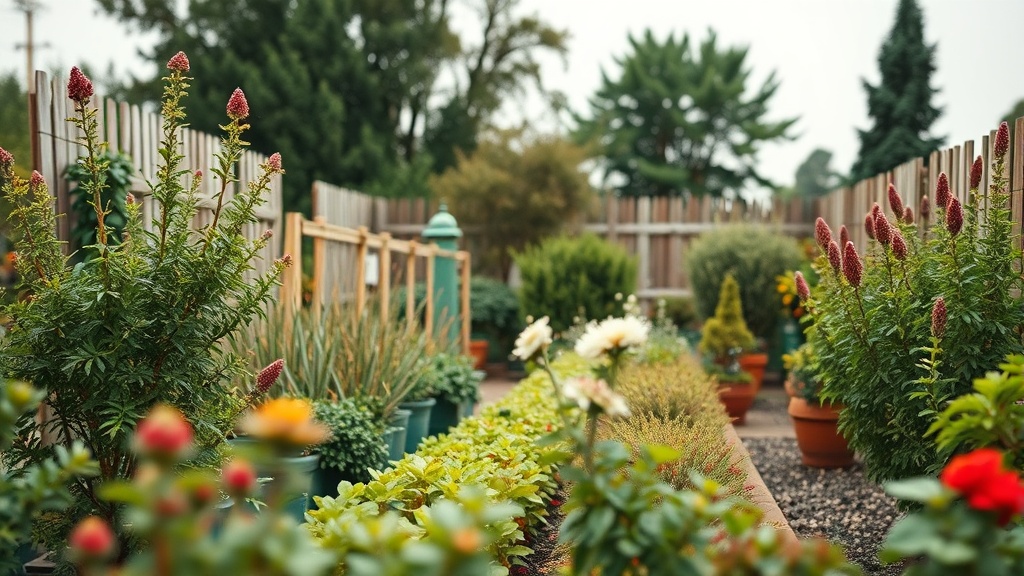
Outdoor / Garden Troubleshooting Guide
Gardening and outdoor maintenance bring rewarding results but can sometimes lead to frustration when problems arise. Whether you’re dealing with patchy grass, stubborn pests, or irrigation issues, knowing how to troubleshoot common garden and outdoor problems can save you time, effort, and money. This guide provides straightforward, practical solutions to help you diagnose and fix typical outdoor and garden troubles.
1. Soil and Plant Problems
Poor Plant Growth
If your plants are looking weak or stunted, the issue often lies below the surface.
- Check Soil Quality: Poor drainage, nutrient deficiencies, or compacted soil can limit root growth. Perform a soil test to check pH and nutrient levels.
- Adjust Soil pH: Most plants prefer pH between 6 and 7. Acidic or alkaline soils can hinder nutrient uptake. Amend soil with lime to raise pH or sulfur to lower it.
- Improve Soil Texture: Incorporate organic matter like compost or well-rotted manure to loosen compacted soil and improve water retention.
Yellowing Leaves
Yellow leaves typically indicate a nutrient or watering issue.
- Nitrogen Deficiency: Yellowing that starts on older leaves and progresses upward usually means lack of nitrogen. Supplement with a balanced fertilizer.
- Overwatering: Poorly drained soil or excessive watering can cause roots to suffocate, leading to yellow leaves. Improve drainage and water less frequently.
- Underwatering: If soil is dry and leaves are yellow and crispy, increase watering frequency.
Wilting Plants
Wilting can mean either underwatering or root disease.
- Check Soil Moisture: Stick your finger an inch or two into the soil. Dry soil means water is needed.
- Look for Root Rot: Overwatering or poorly drained soils can cause fungal infections. If roots are brown and mushy, trim affected roots and repot in fresh soil.
2. Pest Control Troubleshooting
Identifying Pests
Before treatments, identify whether trouble is due to insects, mites, or other pests.
- Look for Damage Signs: Chewed leaves, holes, sticky residue, or webbing can indicate different pests.
- Use Magnification: A handheld magnifier helps spot tiny insects like spider mites or aphids.
- Traps and Sticky Cards: Yellow sticky traps attract and capture flying pests, providing clues to pest identity.
Common Pests and Solutions
- Aphids: Small, soft-bodied insects often found on new growth. Control with insecticidal soap or a strong hose spray.
- Caterpillars and Beetles: Chew leaves and can strip plants. Handpick or use biological controls like beneficial nematodes.
- Spider Mites: Tiny pests causing stippled yellow leaves and webbing. Increase humidity and treat with miticides.
- Slugs and Snails: Leave slime trails and holes. Use barriers, traps, or organic slug baits.
Disease-like Symptoms Caused by Pests
Sometimes pest damage mimics diseases. Check carefully for the actual cause to avoid unnecessary fungicide use.
3. Watering and Irrigation Issues
Overwatering Symptoms
- Yellow, wilting leaves despite moist soil
- Fungal growth or mold on soil surface
- Root rot symptoms underground
Fix: Improve drainage by adding organic matter or installing drainage pipes. Adjust watering schedule to let soil dry slightly between watering.
Underwatering Symptoms
- Dry, brittle leaves
- Soil visibly dry and pulling away from edges of pots or beds
- Stunted growth or leaf drop
Fix: Water deeply and less frequently to encourage deep root growth. Mulch helps retain soil moisture.
Irrigation System Troubleshooting
- Uneven Coverage: Check for clogged nozzles or broken sprinkler heads.
- Leaks: Inspect pipes and hoses for splits or loose joints.
- No Water Flow: Ensure valves are open and system is properly connected to water supply.
Regular maintenance and seasonal system flushing prevent many common irrigation problems.
4. Lawn Care Troubleshooting
Patchy or Thin Grass
- Poor Soil Preparation: Ensure soil is loose and fertile before seeding.
- Improper Mowing: Mowing too short stresses grass. Leave grass at recommended height.
- Thatch Buildup: Excess thatch prevents water penetration. Dethatch if layer exceeds half an inch.
Lawn Discoloration
- Brown Patches: Could be due to fungal diseases, insect damage, or drought stress.
- Foot Traffic Damage: Create pathways with stepping stones or move heavy items to reduce wear.
- Nutrient Deficiencies: Apply appropriate lawn fertilizers based on soil test results.
Weed Infestations
Hand pulling, spot treatments, and maintaining dense, healthy grass can limit weeds.
5. Outdoor Structure and Surface Issues
Decking and Fence Problems
- Wood Rot: Caused by water exposure. Ensure good drainage and treat wood with sealant.
- Warping and Cracking: Often from sun and moisture fluctuations. Use treated wood and maintain finish regularly.
- Loose Nails or Screws: Inspect annually and tighten or replace as needed.
Patio and Walkway Troubleshooting
- Uneven Surfaces: Caused by ground settling. Re-level or add gravel underneath.
- Weeds Between Pavers: Use polymeric sand to fill joints and prevent growth.
- Stains and Discoloration: Clean periodically with appropriate cleaners for the material.
6. Wildlife and Pet Issues
Animals Digging or Eating Plants
- Physical Barriers: Fencing or netting can keep out rabbits, deer, and other wildlife.
- Repellents: Natural repellents like garlic spray or commercial products can deter animals.
- Choose Resistant Plants: Opt for species less attractive to local wildlife.
Pets Damaging Garden
- Designate Pet Areas: Create paths and play zones to protect garden beds.
- Use Repellent Sprays: Safe sprays discourage digging or urination in certain areas.
7. Seasonal Troubleshooting Tips
Spring
- Inspect for winter damage on plants and structures.
- Begin pest scouting before infestations occur.
- Test soil and amend before planting.
Summer
- Monitor watering carefully to avoid drought stress and disease.
- Mulch to retain moisture.
- Prune to improve air circulation.
Fall
- Clean and store irrigation systems before frost.
- Apply mulch to protect roots over winter.
- Plant cover crops to improve soil.
Winter
- Protect vulnerable plants with covers.
- Avoid heavy foot traffic on frozen lawns.
- Check stored tools and repair as needed.
Conclusion
Troubleshooting outdoor and garden problems becomes easier with a systematic approach: observe carefully, identify the issue accurately, and apply appropriate solutions. Prioritizing soil health, watering practices, and pest identification reduces many common issues. Regular maintenance of garden structures and irrigation ensures outdoor spaces stay functional and attractive. With patience and thoughtful care, you can keep your garden thriving through all seasons.