Best Outdoor / Garden picks for beginners (2026)

ByChen Wang · Senior Editor
Published May 31, 2026
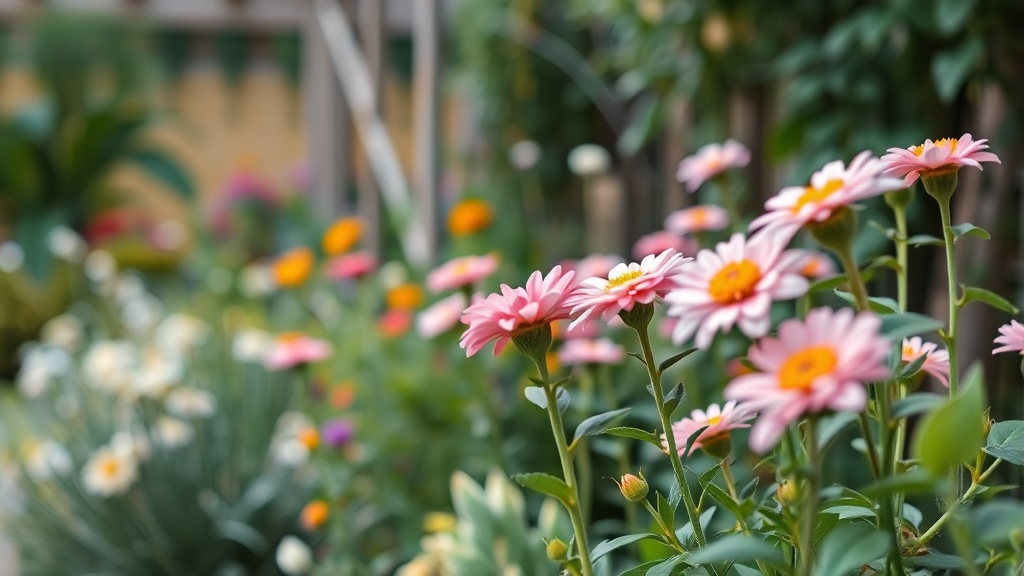
The best outdoor and garden picks for beginners blend ease of care with satisfying growth results, making your first gardening experience rewarding and straightforward. Whether you’re working with a small balcony, a raised bed, or a backyard plot, choosing the right plants and tools can set you up for success in 2026 and beyond.
Key takeaways
- Start with hardy, low-maintenance plants suited to your growing zone for stress-free gardening.
- Invest in quality, ergonomic tools to improve efficiency and reduce strain.
- Use raised beds or container gardens to better control soil quality and drainage.
- Choose seeds or seedlings that establish quickly and tolerate beginner watering patterns.
- Incorporate a soil test and simple organic amendments to build fertile ground for your plants.
Why Starting Simple Matters for Beginner Gardeners
Gardening can quickly become overwhelming without the right focus and plans. Beginner gardeners often struggle with issues like overwatering, poor soil, pests, and plant choices that don’t fit their environment or attention level. By starting with easy-to-grow selections and straightforward tools, you increase your chance of steady progress and garden enjoyment.
For beginners, the goal is less about perfect harvests and more about creating good habits and learning your local climate’s nuances. Selecting tried-and-true, low-maintenance plants and tools tailored to outdoor conditions can help you build confidence while watching your garden thrive.
Best Outdoor Plants for Beginner Gardeners in 2026
When selecting plants, consider those that tolerate varied conditions, forgive occasional neglect, and offer visual or edible rewards with minimal fuss.
| Plant Type | Specific Varieties (Examples) | Days to Harvest/Flowers | Care Level | Benefits |
|---|---|---|---|---|
| Herbs | Basil, Mint, Chives | 30-60 days | Very low | Culinary use, pest deterrence |
| Vegetables | Radishes, Lettuce, Green Beans | 25-70 days | Low | Fast crops, continuous harvest |
| Flowers | Marigold, Zinnia, Sunflower | 45-70 days | Low | Pollinator-friendly, bright color |
| Shrubs / Perennials | Lavender, Daylilies | N/A (perennial) | Low-moderate | Long-term garden structure, fragrance |
| Fruits (cold hardy) | Strawberries, Raspberries | 60-90 days (fruiting) | Moderate | Sweet harvest, beginner fruit options |
Herbs: Instant Gratification and Pest Control
Herbs like basil and chives thrive in containers or garden beds and require minimal soil amendments. They often grow quickly and can be harvested repeatedly, rewarding patience early on. Mint is resilient but keep it contained as it spreads aggressively.
Vegetables: Quick-growing Crops to Boost Confidence
Start with radishes and lettuce for fast growth cycles. Green beans add variety and do well on trellises or supports if space allows. These vegetables are forgiving, tolerate a range of sunlight, and provide snacking options shortly after planting.
Flowers: Adding Color with Minimal Fanfare
Marigolds and zinnias grow well in most soils and attract beneficial insects that protect vegetable crops. Sunflowers are also beginner favorites with their size and ease of germination, creating focal points and providing bird food later in the season.
Perennials and Fruit: Plan for Year-over-Year Growth
Lavender or daylilies don’t require replanting annually and yield both visual appeal and fragrance, making them strong foundational plants. Cold-hardy berries provide rewarding fruit but require some patience and good soil drainage.
Essential Garden Tools for Beginners
Investing in a compact, quality tool set can make garden tasks easier and less physically demanding.
| Tool | Features to Look for | Why It’s Beginner-Friendly |
|---|---|---|
| Hand Trowel | Comfortable grip, durable steel | Transplanting, digging in small beds |
| Garden Fork | Strong tines, lightweight handle | Loosening soil without damage |
| Pruning Shears | Sharp blades, ergonomic handles | Deadheading and trimming plant growth |
| Watering Can | Lightweight with adjustable spout | Controlled watering, ideal for containers |
| Garden Gloves | Breathable, puncture-resistant | Protect hands from thorns and blisters |
Ergonomics Matter
Gardeners with no prior experience often spend long periods bending or kneeling, which can strain the back or fingers. Tools designed with ergonomics in mind help reduce fatigue and encourage regular care routines.
Multi-Purpose Is Best
Starting with multipurpose hand tools rather than specialized equipment lets you become comfortable before expanding your kit.
Soil Preparation and Amendments for Beginners
Healthy soil is critical for plant growth but can seem complicated. Keep it simple with a few easy steps:
- Conduct a basic soil test to check pH and nutrient levels using an affordable test kit.
- Add organic compost or well-rotted manure to improve texture and fertility.
- Use mulch (like shredded bark or straw) to maintain moisture and suppress weeds.
- Avoid over-tilling; gently loosen topsoil to preserve beneficial organisms.
If your garden soil is poor or heavy clay, raised beds or containers filled with quality potting mix offer control and jump-start successful growth.
Container Gardening: A Flexible Option for Beginners
Starting small with containers on patios or balconies reduces risk and space concerns. Containers allow you to:
- Manage soil quality more easily.
- Move plants for optimal light or protection.
- Avoid stepping on beds, preserving soil structure.
Choose container sizes appropriate to your plant’s root needs — larger pots for vegetables, smaller for herbs. Include drainage holes to prevent root rot and use lightweight potting mix designed for containers.
Common Beginner Gardening Mistakes to Avoid
- Overwatering: Root rot is common when soil stays soggy; water when the top inch feels dry.
- Choosing the wrong plants: Verify your USDA hardiness zone and sunlight exposure before buying.
- Crowding plants: Give each plant enough space to grow healthily and avoid disease.
- Ignoring pests: Check plants regularly and use physical controls (handpicking, barriers) before chemicals.
- Skipping season planning: Know when to plant for your climate, follow local frost dates.
Avoiding these traps helps keep your garden thriving without extra stress.
Beginner Gardening Checklist for 2026
| Step | Recommended Action | Tools or Resources Needed |
|---|---|---|
| 1. Assess space and light | Measure garden area or balcony sunlight hours | Tape measure, sun tracker app |
| 2. Select plants | Choose hardy vegetables, herbs, or flowers | Seed catalogs, local nursery advice |
| 3. Prepare soil | Test soil, amend with compost or mulch | Soil test kit, organic compost |
| 4. Buy tools | Get ergonomic hand trowel, gloves, watering can | Garden center or online retailer |
| 5. Plant and label | Sow seeds or transplant seedlings with labels | Plant markers or popsicle sticks |
| 6. Water consistently | Water when soil is dry a few inches down | Moisture meter (optional) |
| 7. Monitor for pests | Inspect leaves weekly and remove pests manually | Magnifying glass (optional) |
| 8. Fertilize lightly | Use balanced organic fertilizer as directed | Organic fertilizer |
| 9. Prune and deadhead | Remove spent flowers and trim leggy growth | Pruning shears |
| 10. Enjoy harvest or blooms | Pick vegetables or flowers when ready | Harvest baskets |
FAQ
What are the easiest plants for a beginner gardener to grow?
Herbs like basil, mint, and chives are among the easiest for beginners due to their low maintenance needs and quick growth. Radishes and lettuce are also good choices because they mature quickly and tolerate a range of conditions.
How often should a beginner water outdoor plants?
Most outdoor plants need watering when the top 1–2 inches of soil feel dry—typically every 2–3 days in warm weather. Avoid daily watering to prevent root rot. Container plants generally require more frequent watering than in-ground beds.
Can beginners start a garden without investing in raised beds?
Yes. Beginners can start with in-ground planting if soil quality is good and drainage is sufficient. However, raised beds or containers often make managing soil and watering easier, which can boost success rates.
What basic tools should a beginner gardener buy first?
Begin with a quality hand trowel, pruning shears, garden gloves, and a watering can. These tools cover most initial transplanting, pruning, and watering needs without adding complexity.
How do I avoid pests as a beginner gardener?
Inspect your plants regularly for early signs of pests. Use physical removal like handpicking or insecticidal soaps recommended for beginners. Planting pest-deterring flowers like marigolds and avoiding overcrowding also helps keep pest populations manageable.
By focusing on beginner-friendly plants, ergonomic tools, and straightforward soil care, your first outdoor garden setup can become an enjoyable learning experience rather than a frustrating chore. In 2026, take advantage of these practical picks to cultivate a productive and vibrant garden space, regardless of your outdoor conditions or prior gardening knowledge.