Outdoor / Garden mistakes to avoid (and what we recommend instead)

ByChen Wang · Senior Editor
Published May 31, 2026
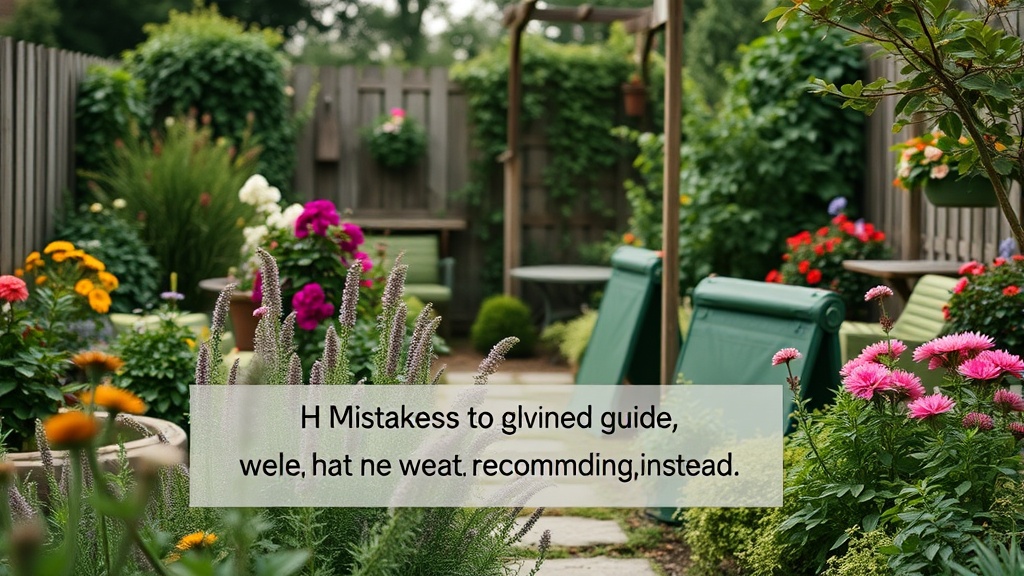
Outdoor and garden projects can transform your space and mood, but common mistakes often lead to frustration and wasted resources. Avoiding these pitfalls ensures your garden thrives and your outdoor area becomes a true extension of your home.
Key takeaways
- Proper site preparation and soil testing prevent many gardening errors.
- Overplanting and poor plant selection cause maintenance headaches and plant stress.
- Ignoring drainage and sun exposure leads to plant failure and damage.
- Material choice in garden structures affects durability and upkeep.
- Thoughtful planning balances aesthetics with practicality for enjoyable outdoor spaces.
Common Outdoor and Garden Mistakes to Avoid
Skipping Soil Testing and Preparation
Many gardeners jump straight into planting without understanding their soil’s condition. Soil testing reveals pH levels, nutrient deficiencies, and composition—essential information for plant health. Ignoring this step can lead to poor growth, disease, and wasted effort.
What we recommend:
- Conduct a soil test before planting.
- Amend soil based on results with appropriate fertilizers, lime, or organic matter.
- Avoid compacting soil during preparation and keep it loose for root growth.
Overplanting and Poor Plant Selection
It’s tempting to fill garden beds with as many plants as possible, but overcrowding stresses plants and promotes disease. Selecting plants incompatible with your climate, soil, or sun availability also dooms success.
What we recommend:
- Choose plants suited for your USDA Hardiness Zone and local conditions.
- Space plants according to mature size recommendations on labels.
- Mix perennials, shrubs, and annuals rather than planting only one type to improve biodiversity and resilience.
Ignoring Drainage and Water Management
Waterlogged soil suffocates roots, while dry spots stunt growth. Many outdoor areas fail due to poor drainage planning.
What we recommend:
- Identify low spots and areas prone to standing water.
- Install French drains, swales, or raised beds to improve drainage where necessary.
- Use mulch to retain consistent moisture levels and reduce watering frequency.
Overlooking Sun Exposure Requirements
Plants have clear light needs: full sun, partial shade, or full shade. Planting sun-loving species in shade or vice versa leads to weak, leggy, or scorched plants.
What we recommend:
- Observe your site’s sun patterns throughout the day to identify sunny or shaded zones.
- Label garden areas accordingly and select plants that thrive within those specific light conditions.
- Rotate annual plantings seasonally if sites change light exposure due to tree leaf cycles.
Choosing the Wrong Materials for Garden Structures
Outdoor furniture, raised beds, fences, and trellises made from untreated wood or inferior materials degrade quickly, increasing long-term costs.
What we recommend:
- Invest in durable, rot-resistant materials like cedar, redwood, composite lumber, or galvanized metal for raised beds and structures.
- For furniture, consider powder-coated metals, teak, or weatherproof synthetic materials.
- Regularly maintain wooden structures with sealants or stains to extend life.
Neglecting to Plan for Maintenance and Accessibility
A beautiful garden is only as good as its upkeep. Overly complicated layouts or planting schemes can frustrate even the most dedicated gardeners.
What we recommend:
- Design paths and beds for easy access with tools and equipment.
- Use self-mulching groundcovers or low-maintenance plants where possible.
- Incorporate irrigation solutions like drip systems or soaker hoses to save time and water.
Outdoor and Garden Mistakes to Avoid: Comparison Table
| Mistake | Consequence | Recommended Alternative | Benefits of Alternative |
|---|---|---|---|
| Skipping soil testing | Poor plant growth, nutrient problems | Test soil, amend as needed | Improved plant health, fewer disease issues |
| Overplanting | Overcrowding, competition, disease | Space plants properly, choose suitable types | Healthier plants, easier maintenance |
| Poor drainage | Root rot, water pooling | Add drains, raised beds, mulch | Reduced water issues, stronger root systems |
| Ignoring sun exposure | Plant stress, poor growth | Match plants to light levels | Thicker foliage, better blooms, sturdier plants |
| Using inferior materials | Rapid decay, frequent replacement | Use rot-resistant woods or composites | Long-lasting structures, cost savings over time |
| Lack of maintenance planning | Frustration, neglected garden | Plan access, automate watering | Consistent care, better results, less labor |
Practical Recommendations for a Successful Outdoor Space
Start with a Good Plan
Map your garden’s sun/shade patterns, existing plants, soil types, and drainage features before buying plants or materials. This upfront investment avoids costly mistakes.
Test and Amend Your Soil
A basic soil test kit or professional testing service costs less than many gardening errors. Amend soil gradually with compost, lime, or fertilizer based on test feedback.
Choose Right-Sized, Suitable Plants from the Start
Look for hardiness zone-appropriate, pest-resistant varieties and consult local nurseries. Consider native plants for easier upkeep and improved wildlife attraction.
Build Durable Garden Structures
Invest a little more upfront in good materials and build the garden infrastructure to last rather than save initially and replace often. Regular sealing or cleaning extends lifespan.
Maintain Thoughtful Plant Spacing and Accessibility
Leaving room between plants prevents spread of disease and makes pruning simpler. Design paths wide enough for wheelbarrows and tools.
Water Wisely
Implement drip irrigation or soaker hoses to water roots efficiently. Mulch beds to keep soil moist and control weeds.
FAQ
What are the most common mistakes made in outdoor gardening?
Common mistakes include ignoring soil quality, planting too densely, poor drainage, planting species unsuited to light conditions, and choosing low-quality materials for structures.
How can I improve poor garden soil before planting?
Start by testing your soil, then add organic matter like compost, adjust pH with lime or sulfur as needed, and ensure proper drainage. Avoid compacting the soil to improve root penetration.
What should I consider when selecting plants for my garden?
Choose plants based on your USDA Hardiness Zone, sunlight availability, soil conditions, and mature size. Native and drought-tolerant plants often require less maintenance.
How important is drainage in garden design?
Drainage is critical; poor drainage can cause root rot and plant death. Implementing raised beds, French drains, or swales helps manage excess water efficiently.
What materials are best for long-lasting raised beds and garden structures?
Rot-resistant woods like cedar or redwood, composite lumber, and galvanized steel are top choices. These materials withstand weather and reduce maintenance compared to untreated wood.
How can I design an outdoor garden for easier maintenance?
Plan wide, accessible paths, space plants for airflow, use mulch for weed control, choose easy-care plants, and consider automated irrigation to cut down labor while maintaining garden health.