Outdoor / Garden maintenance and care — long-term value guide

ByChen Wang · Senior Editor
Published May 31, 2026
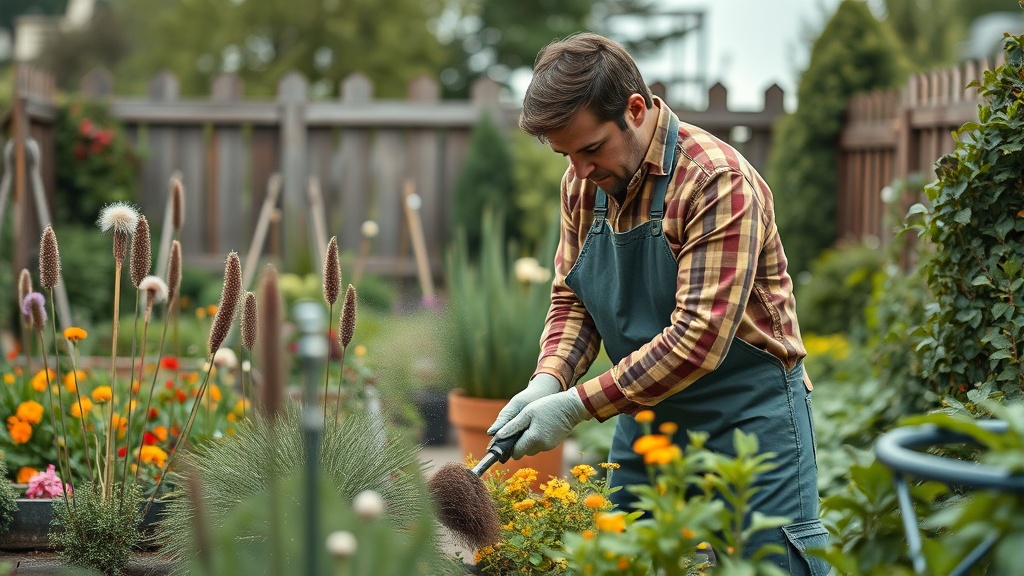
Outdoor / Garden maintenance and care — long-term value guide is essential for anyone looking to keep their green space healthy and vibrant year after year. Proper maintenance not only enhances the beauty of your garden but also protects your investment, saves money over time, and promotes sustainable growth.
Key takeaways
- Regular maintenance activities like watering, pruning, and fertilizing are crucial for garden longevity.
- Choosing durable materials and plants suited to your climate reduces ongoing care efforts.
- Seasonal care routines help prevent common garden problems and improve plant health.
- Investing in soil health is one of the highest-value long-term strategies for any garden.
- Efficient irrigation and pest management reduce waste and support sustainable gardening.
Understanding the Importance of Outdoor / Garden Maintenance and Care
A garden is a dynamic, living system that changes with the seasons and grows in complexity over time. Proper and consistent maintenance is necessary to preserve its aesthetics, productivity, and health. Neglecting garden care can quickly lead to problems such as soil degradation, pest infestations, disease, and overgrowth, which become costly to correct.
The long-term value of your garden depends largely on the foundation you build through proper care. Well-maintained gardens also command higher property values, improve local biodiversity, and provide you with a more enjoyable outdoor space. Effective garden maintenance saves you money by preventing costly replacements and repairs over the years.
Core Maintenance Activities to Prioritize
Maintaining your outdoor space requires an understanding of several key activities that must be performed regularly and seasonally.
Watering Wisely
Watering is fundamental but often misunderstood. Overwatering can be as harmful as underwatering. Plants require different quantities at various growth stages, and soil types affect water retention.
- Use drip irrigation or soaker hoses to deliver water directly to roots while minimizing evaporation.
- Water early in the morning or late evening to reduce water loss.
- Mulch soil surfaces to retain moisture and moderate soil temperature.
Fertilizing for Soil and Plant Health
Fertilizers replenish essential nutrients depleted from the soil. Choosing the right fertilizer and applying it at the correct time can significantly impact plant growth.
- Conduct a soil test every 2–3 years to understand nutrient needs.
- Use organic compost or slow-release fertilizers for steady feeding.
- Avoid over-fertilizing, which can burn plants and harm beneficial microorganisms.
Pruning and Deadheading
Pruning maintains plant shape, promotes healthy new growth, and controls diseases.
- Remove dead, diseased, or crossing branches promptly.
- Prune flowering plants after their bloom period.
- Use sharp, clean tools to prevent damage and disease spread.
Pest and Disease Management
Integrated Pest Management (IPM) focuses on prevention through cultural practices combined with targeted interventions.
- Encourage beneficial insects like ladybugs and lacewings.
- Use pest-resistant plant varieties.
- Monitor regularly to catch issues early and apply organic controls where possible.
Seasonal Garden Maintenance Calendar
Long-term garden care relies on adapting maintenance routines to seasonal needs. Below is a general guide illustrating key tasks through the year.
| Season | Key Activities | Notes |
|---|---|---|
| Spring | Soil testing, planting, fertilizing, pruning shrubs | Best time for planting many species |
| Summer | Regular watering, weeding, mulching, pest monitoring | Adjust watering frequency in heat |
| Fall | Leaf removal, harvesting, soil amendment, pruning | Prepare garden beds for winter |
| Winter | Tool maintenance, protecting sensitive plants, planning | Minimal active growth, rest period |
This calendar should be tailored to your local climate and specific plants.
Choosing Durable Plants and Materials for Garden Longevity
Your plant and material choices hugely affect maintenance efforts and garden lifespan.
Selecting Plants for Your Climate and Soil
Opt for native or well-adapted species that are more resistant to pests, drought, and diseases. Native plants generally require less water and fertilizer and naturally fit the ecosystem.
- Group plants with similar water needs (hydrozoning).
- Incorporate a mix of perennials and annuals for continuous interest.
- Use hardy ground covers to suppress weeds and reduce soil erosion.
Durable Hardscape Materials
Pathways, edging, raised beds, and garden furniture should be built with materials designed to withstand local weather.
- Consider recycled or composite materials for low maintenance.
- Natural stone and brick provide longevity with minimal upkeep.
- Regularly inspect and clean hardscape to prevent deterioration.
Investing in Soil Health for Sustainable Garden Success
Soil is the foundation of any garden, and its health directly impacts plant growth and resilience.
- Incorporate organic matter regularly through compost or well-decomposed mulch.
- Avoid excessive tilling to preserve soil structure and microorganisms.
- Use cover crops in off-seasons to prevent erosion and fix nitrogen.
Healthy soil improves water retention and nutrient availability, reducing the need for chemical inputs and watering.
Efficient Irrigation Systems to Save Water and Effort
Installing a well-planned irrigation system can dramatically improve garden health while conserving water.
- Drip irrigation and micro-sprayers target delivery, minimizing water waste.
- Smart irrigation controllers adjust watering based on weather conditions.
- Group plants by water needs to maximize efficiency.
Regularly check your irrigation system for leaks or clogging to maintain optimal performance.
How to Implement an Integrated Pest Management (IPM) Approach
Rather than relying solely on chemical pesticides, IPM combines multiple strategies to manage pests with minimal environmental impact.
- Encourage natural predators by planting insectary plants like fennel and dill.
- Rotate crops annually to reduce pest build-up.
- Use traps and barriers as physical controls.
- Apply organic pesticides only when necessary and according to guidelines.
Maintenance Checklist for Outdoor / Garden Care Long-Term Value
| Task | Frequency | Purpose | Tools / Products Needed |
|---|---|---|---|
| Watering | Weekly to daily* | Ensure adequate moisture | Hose, drip irrigation, timer |
| Fertilizing | 2–4 times/year | Nutrient replenishment | Compost, slow-release fertilizer |
| Pruning | Seasonal | Shape and health maintenance | Pruners, shears |
| Pest/disease monitoring | Weekly | Early detection and management | Magnifying glass, identification guide |
| Mulching | Annually or as needed | Moisture retention, weed control | Organic mulch |
| Soil testing | Every 2–3 years | Nutrient and pH assessment | Soil test kit or lab service |
| Hardscape inspection | Annually | Repair and longevity | Cleaning tools, sealants |
| Tool maintenance | Seasonally | Efficiency and hygiene | Sharpening tools, oil |
*Frequency varies by climate and weather conditions.
FAQ
What is the best way to water my garden for long-term plant health?
Water deeply and less frequently to encourage strong root systems. Early morning watering reduces evaporation and fungal growth risk. Using drip irrigation ensures water reaches plant roots efficiently.
How often should I fertilize my garden?
Most gardens benefit from fertilizing 2 to 4 times a year, typically in early spring, mid-summer, and fall. A soil test can guide precise nutrient needs and avoid over-fertilizing.
How can I prevent pests naturally without chemicals?
Encourage beneficial insects by growing a variety of plants, use physical barriers like row covers, practice crop rotation, and monitor regularly to catch issues early. Organic pesticides may be used sparingly as a last resort.
When is the best time to prune garden plants?
Prune most shrubs and trees during late winter or early spring before new growth begins. Flowering plants should generally be pruned right after blooming to avoid cutting off buds.
How do I improve poor soil quality in my garden?
Add organic matter such as compost or well-rotted manure regularly, avoid over-tilling, and use cover crops during off-season to rebuild soil structure and nutrient content.
What maintenance tasks should I do in winter?
Winter is ideal for tool maintenance, cleaning, planning next season’s garden, and protecting sensitive plants with mulch or covers. Active plant growth slows down, so focus on preparation rather than heavy pruning.
By following these practical guidelines, you can ensure that your outdoor garden remains a valuable, enjoyable, and sustainable space for years to come. The key lies in understanding seasonal needs, staying consistent with basic tasks, and making informed choices about plants and materials to minimize future efforts and maximize long-term returns.