Small Garden Set Up Ideas: Raised Beds for Tight Spaces

ByChen Wang · Senior Editor
Published May 31, 2026
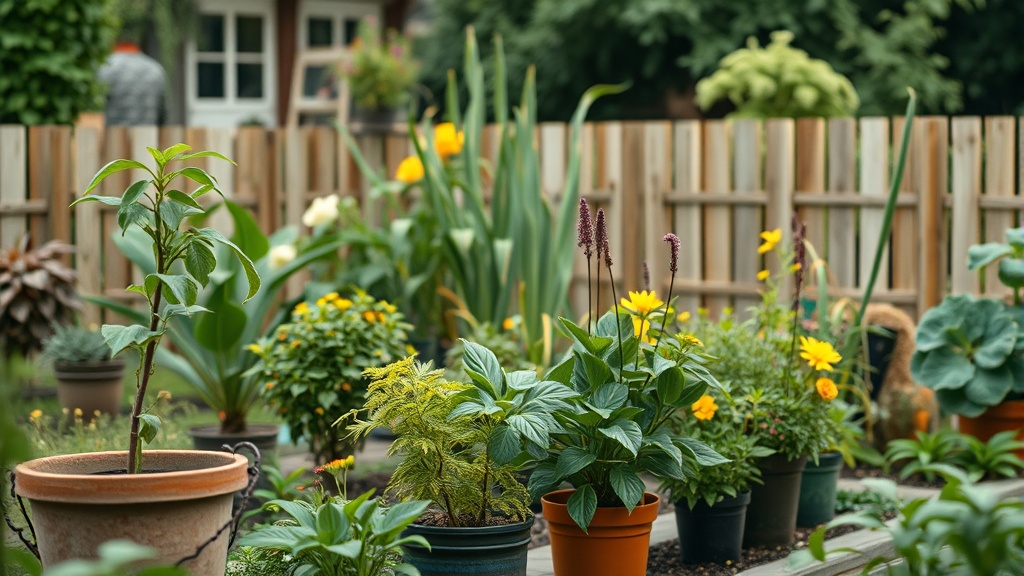
Small-space outdoor or garden setups require smart design choices to maximize limited areas without sacrificing style or functionality. Whether you live in an apartment with a small balcony or have a compact backyard, thoughtful planning and vertical options can transform your outdoor space into a productive and enjoyable garden oasis.
Key takeaways
- Utilize vertical gardening and tiered planters to save floor space and increase planting area.
- Choose multi-functional furniture that doubles as storage or seating to optimize tight spaces.
- Container gardening with compact plants and herbs suits small patios, balconies, and ledges.
- Incorporating reflective surfaces and lighting helps visually expand confined outdoor areas.
- Modular and movable setups offer flexibility for changing seasons and usage needs.
Assessing Your Small Outdoor Space
Before diving into design ideas, gauge the exact dimensions and sunlight exposure of your outdoor area. Measure the width, length, and height clearance you have available. Note the direction your space faces to determine the amount of sun or shade it gets throughout the day, which influences plant choices — see our guide to raised bed placement and sun hours for a room-by-room breakdown.
Compact outdoor areas vary greatly—from tiny balconies and window ledges to narrow patios or tiny backyard corners. Understanding your space’s limitations early helps set realistic expectations and select garden methods suited to your environment.
Vertical Gardening: Growing Up Instead of Out
Vertical gardening is key when floor space is at a premium. By growing upwards, you can increase the number of plants without crowding your limited ground area. Options include:
- Wall-mounted planters: Attach pots, troughs, or pocket planters directly to fences or walls.
- Trellises and lattices: Support climbing vegetables, flowers, or vines to add greenery without footprints.
- Stackable and tiered planters: Multi-level pots or shelves maximize growing capacity in narrow zones.
- Hanging baskets: Utilize overhead space for lightweight trailing plants, herbs, or flowers.
Many vertical planters come in modular designs to reconfigure as needed. Choose weather-resistant materials like treated wood, metal, or plastic for durability. Make sure wall attachments are securely fixed to support plant weight, especially after watering.
Container and Raised Bed Gardens for Small Spaces
Containers and raised beds are versatile and well suited for small garden setups:
- Size and shape: Opt for narrow or square containers to fit tight corners and ledges. Small raised beds can be framed with wood or stone to create defined growing areas — if you’re comparing kits, see our cedar vs metal raised bed kit comparison for 4x8 foot footprints.
- Mobility: Using containers allows moving plants for sunlight adjustment or protection against weather extremes.
- Soil quality: Raised beds and big containers facilitate better soil control, improving growing conditions — our soil mix recipes and drainage tests cover compost ratios that work well in compact beds.
- Companion planting: Combine multiple compatible plants in one container to maximize space efficiency.
Popular container garden plants for small spaces include compact herbs (basil, thyme), salad greens, dwarf tomato varieties, and small root vegetables like radishes or carrots. Self-watering containers can reduce maintenance needs.
Multi-Functional Furniture and Accessories
Integrating furniture and storage solutions designed for small outdoor spaces enhances usability:
- Foldable or stackable chairs and tables: Provide seating that can be easily stored or adjusted.
- Benches with built-in storage: Hide gardening tools, pots, or soil bags inside seating areas.
- Potting benches or surfaces with foldable extensions: Create flexible workspaces that don’t permanently occupy room.
- Plant stands doubling as side tables: Allow placing drinks or books alongside garden plants.
Think “dual purpose” to get maximum use out of every square foot in your setup.
Lighting and Reflective Elements to Visually Enlarge Space
Small outdoor gardens can feel cramped if poorly lit or dark.
- String lights, solar path lights, or lanterns add ambiance to narrow areas without bulky fixtures.
- Mirrors or reflective garden ornaments bounce sunlight, making the space appear larger and brighter.
- Light-colored or white planters and furniture help create a more open, airy feeling.
Consider solar-powered lighting for ease of installation and energy efficiency, especially if no outdoor electrical outlets are nearby.
Modular and Movable Gardening Solutions
Flexibility matters in small spaces—being able to rearrange or seasonally switch setups can improve satisfaction and utility.
- Rolling plant stands or pots: Move plants based on weather, light conditions, or aesthetics.
- Modular planter boxes: Combine and separate units for customized layouts.
- Temporary garden walls or screens: Add privacy when needed without permanent installation.
Being able to adapt space through the year enables small outdoor gardens to meet changing needs like entertaining, shading, or planting cycles.
Small-Space Outdoor Setup Comparison Table
| Feature | Vertical Gardening | Container Gardening | Multi-Functional Furniture | Lighting & Reflective Elements | Modular/Mobile Solutions |
|---|---|---|---|---|---|
| Space Efficiency | Maximizes vertical area | Allows flexible ground placement | Combines seating/storage/use | Enhances visual openness | Enables layout adaptability |
| Installation Ease | Requires wall/fence attachments | Simple to set up and move | Dependent on furniture complexity | Easy to install, no wiring often | Varies; rolling planters easiest |
| Maintenance Effort | Moderate, depends on plant type | Moderate, facilitates soil control | Low, mostly cleaning & upkeep | Low, solar lighting minimizes work | Varies; moving pots needs care |
| Plant Options | Vining, trailing, compact plants | Wide range including herbs, veggies | Indirect impact on plants | Indirect impact on plants | Any, but usually containers |
| Cost | Mid to high depending on materials | Low to mid cost | Mid to high cost | Low to mid cost | Mid cost depending on quality |
FAQ
What are the best plants for small-space outdoor gardens?
Compact herbs like basil, thyme, and mint are ideal, along with dwarf tomato varieties, lettuce, radishes, and climbing peas. Opt for plants suited to your sun exposure.
How can I grow a garden on a balcony without soil?
Consider hydroponic systems or self-watering containers with potting mix. Vertical wall-mounted planters and hanging baskets can also be used for soil-less or minimal-soil gardening.
Can I use vertical gardening in shaded small spaces?
Yes, but select shade-tolerant plants like ferns, hostas, or certain herbs. Position vertical planters to maximize indirect light or supplement with grow lights.
How do I protect small outdoor plants in winter?
Use frost covers, move containers to sheltered locations, or bring smaller pots indoors. Insulating plant bases with mulch also helps.
What’s the easiest way to water plants in a small garden?
Self-watering containers or drip irrigation systems reduce daily watering needs. Grouping plants with similar water needs together simplifies maintenance.
How do reflective surfaces expand a garden’s look?
Mirrors and light-colored surfaces bounce and amplify natural light, making narrow or shaded outdoor spaces feel larger and more open.
Frequently Asked Questions
What's the best raised bed size for a small garden set up?
A 4x4 or 4x8 foot bed strikes the best balance between growing space and reach -- you should be able to weed and harvest from every side without stepping into the soil. Keep pathways around each bed at least 18 inches wide so a wheelbarrow or kneeling pad still fits.
How deep does a raised bed need to be for vegetables?
Most annual vegetables -- lettuce, herbs, and bush beans -- do fine in 10 to 12 inches of soil. Deep-rooted crops like tomatoes, carrots, and potatoes prefer 18 inches or more, so check root depth before you finalize your bed height.
What materials hold up best for raised beds in small spaces?
Rot-resistant cedar is the most common choice for looks and a 10+ year lifespan; untreated pine is cheaper but breaks down faster. Galvanized metal beds resist rot entirely and warm the soil earlier in spring, which helps in shaded small-space setups that need every extra degree of warmth.
How much sun does a small garden set up actually need?
Fruiting vegetables like tomatoes and peppers need 6 to 8 hours of direct sun daily. If your space only gets partial sun, lean on leafy greens, herbs, and root vegetables, which tolerate 3 to 4 hours, and position beds near light-colored walls or fences that reflect extra light.