Outdoor / Garden accessories worth buying (and what to skip)

ByChen Wang · Senior Editor
Published May 31, 2026
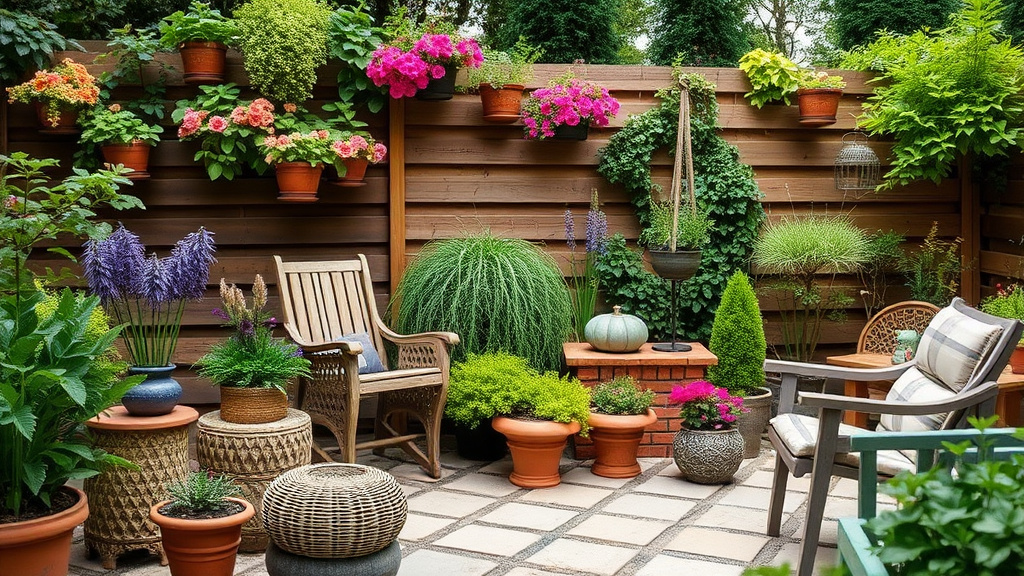
Outdoor and garden accessories can enhance your gardening experience, making tasks easier and your space more enjoyable. However, not every product on the market is worth investing in. This guide breaks down which garden accessories are truly useful and which ones you can skip.
Key takeaways
- Prioritize durable, weather-resistant accessories that match your gardening style and space.
- Essential items include ergonomic tools, quality watering systems, and practical storage solutions.
- Trendy gadgets or overly specialized accessories often add little value for most home gardeners.
- Look for multi-functional products to maximize your budget and reduce clutter.
- Skip cheap, non-durable items that wear out quickly and waste money in the long run.
Must-Have Outdoor/Garden Accessories Worth Buying
1. Ergonomic Hand Tools
Investing in ergonomic garden tools like trowels, pruners, and cultivators can reduce wrist strain and enhance comfort during repetitive tasks. Look for tools with cushioned, non-slip grips and sturdy stainless steel heads. Brands focusing on ergonomics often provide better longevity and reduce fatigue, especially if you have arthritis or other hand issues.
2. Drip Irrigation Systems
Automatic or semi-automatic drip irrigation setups conserve water and deliver moisture directly to plant roots, improving growth and reducing disease risk. These systems save time by allowing scheduled watering, especially helpful for busy gardeners or those with larger beds. Starter kits typically include tubing, emitters, and connectors—consider those made from UV-resistant materials for durability.
3. Raised Bed Kits and Liners
Raised beds are beneficial for soil control and weed reduction, and quality kits often include weather-resistant frames with UV-protected liners. Look for kits made from composite materials or sustainably sourced cedar, as these last longer than untreated wood. Proper liners help retain soil moisture and prevent soil erosion but skip plastic liners that trap water and promote root rot.
4. Weatherproof Storage Solutions
Garden tool storage boxes or sheds protect accessories from the elements and make organization easier. Metal or resin storage units with lockable lids resist rust and pests better than untreated wood boxes. Smaller weatherproof bins inside the shed can separate seeds, fertilizers, and hand tools for easy access.
5. Quality Garden Gloves
A good pair of gloves should fit well, be breathable, and offer protection without sacrificing dexterity. Look for gloves reinforced at fingertips and palms for thorn or rough surface handling. Gloves made from synthetic leather or nitrile-coated fabrics tend to last longer and dry quickly.
6. Compost Bins or Tumblers
Composting organic waste is environmentally beneficial and provides nutrient-rich fertilizer. Compost tumblers with aeration features speed up the decomposition process. Plastic or metal tumblers with sturdy latches and easy access doors maximize usability but avoid models without ventilation, as they lead to odor problems.
Garden Accessories to Skip or Use Sparingly
1. Decorative, Non-Functional Tools and Gadgets
While some garden decorations add charm, many tool-shaped or gadget items advertised as “must-have” often lack practical use. Items like solar-powered mole repellents, automatic weed pullers (rarely effective), or overly gimmicky devices can be expensive and frustrating.
2. Low-Quality Plastic Watering Cans
Cheap plastic watering cans often crack in sunlight and may have poor spouts that don’t deliver water evenly. Metal or thick resin cans with ergonomic handles provide a better watering experience and last multiple seasons.
3. Overly Specialized Plant Supports
Unless growing specific types of high-value plants (like espaliered fruit trees or heirloom tomatoes), avoid spending on very specialized plant supports that aren’t versatile. Basic tomato cages, adjustable stakes, or trellises tend to cover most garden needs.
4. Chemical Pest Repellent Gadgets
Ultrasonic pest repellents or similar devices typically have inconsistent results and are not recommended over natural pest control methods or physical barriers like row covers or netting.
Checklist: Outdoor/Garden Accessories Worth Buying vs. Skip
| Accessory Category | Worth Buying | Skip / Use Sparingly |
|---|---|---|
| Hand Tools | Ergonomic pruners, stainless steel trowels | Cheap plastic handles, non-ergonomic sets |
| Irrigation | Drip irrigation kits with UV-resistant tubing | DIY low-quality sprinklers without timers |
| Raised Beds & Liners | Composite or cedar raised bed kits, permeable liners | Untreated wood kits, impermeable plastic liners |
| Storage | Lockable metal or resin sheds, weatherproof bins | Untreated wooden boxes, flimsy plastic totes |
| Gloves | Breathable synthetic leather or nitrile-coated gloves | Generic cotton gloves without reinforcement |
| Composting | Compost tumblers with ventilation | Non-ventilated plastic bins that cause odors |
| Decorative Tools & Gadgets | Functional solar lights, sturdy garden benches | Solar mole repellents, gimmicky weed removers |
| Watering Cans | Metal or thick resin cans with ergonomic grips | Thin plastic cans that degrade quickly |
| Plant Supports | Adjustable stakes, basic cages, versatile trellises | Overly specialized supports for rare plants |
| Pest Control Gadgets | Physical barriers, natural deterrents | Ultrasonic or gimmicky electronic repellents |
Factors to Consider Before Buying Outdoor Garden Accessories
Budget and Longevity
Garden accessories that withstand weather and frequent use save money over time. Avoid “bargain” buys that deteriorate within one season and force replacement.
Space and Storage
Choose accessories that fit your garden scale and available storage space. Overbuying oversized equipment or redundant items leads to clutter.
Plant Types and Gardening Style
Your accessory needs differ if growing container plants vs. traditional beds or if you focus on vegetables vs. ornamentals. Match accessories to your cultivation methods.
Environmental Impact
Eco-friendly materials and products that reduce waste (such as reusable liners and compost bins) support sustainable gardening practices.
FAQ
What garden accessories are essential for beginners?
Ergonomic hand tools, a reliable watering can or drip irrigation system, quality gloves, and simple plant supports are good starting points for beginners.
Are expensive garden tools worth it?
Usually, yes. Well-made tools with good grips and rust-resistant materials last longer and provide better comfort, resulting in fewer replacements and less hand fatigue.
How do I choose between drip irrigation and sprinklers?
Drip irrigation conserves water and targets root zones, ideal for vegetable and flower beds. Sprinklers cover larger lawns but waste more water via evaporation and runoff.
Are electronic pest repellers effective in gardens?
Most research and user experiences show little consistent benefit. Physical barriers and natural controls are more reliable.
How can I make my garden accessories last longer?
Store tools in a weatherproof shed, clean them after use, sharpen blades regularly, and avoid leaving plastic items in direct sunlight.
Choosing the right outdoor and garden accessories requires practical evaluation rather than impulse buying. Focus on durable, multipurpose, and ergonomic items to improve your gardening experience and avoid common pitfalls with trendy but ineffective products.