Best cedar vs metal raised bed kits for 4x8 foot vegetable gardens

ByChen Wang · Senior Editor
Published June 1, 2026
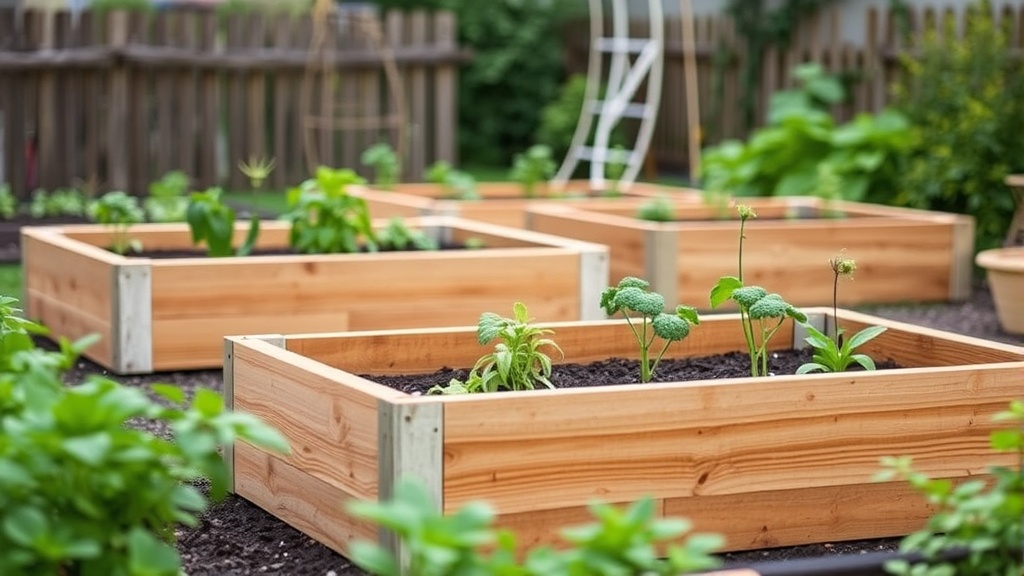
Cedar and metal raised bed kits are two popular options for creating 4x8 foot vegetable gardens. Both materials offer unique benefits and drawbacks when it comes to durability, installation, and garden health, making it important to understand their differences before choosing the right kit.
Key takeaways
- Cedar raised bed kits provide a natural, rot-resistant option with good insulation but require occasional maintenance.
- Metal raised bed kits are highly durable and low maintenance but can heat up soil more quickly and may be prone to rust depending on the material.
- The best choice depends on your garden’s exposure, longevity preferences, aesthetic desires, and budget.
- Both cedar and metal kits are widely available in standard 4x8 sizes and usually include all necessary hardware.
- Proper installation and soil preparation are critical regardless of the material to maximize vegetable growth.
Why size and material matter for a 4x8 foot raised bed
A 4x8 foot raised bed is a common and practical size, offering ample space for diverse vegetables while remaining manageable to maintain and harvest. The material of the bed impacts more than aesthetics — it influences soil temperature, moisture retention, longevity, and even the ease of assembly.
Cedar is naturally rot-resistant, making it a favored wood choice for raised beds. It balances durability with a classic garden look while providing some thermal insulation. Metal beds, such as those made from galvanized steel or aluminum, tend to outlast wood and require less upkeep. However, they can absorb and transfer heat differently, which might affect plant growth depending on your climate.
Understanding how cedar and metal compare in these areas will help you select the raised bed kit best suited to your garden conditions and gardening goals.
Durability and maintenance: cedar vs metal
Cedar
Cedar contains natural oils that make it resistant to decay and insect damage without chemical treatments. This means cedar raised bed kits can last 10 to 15 years or more if properly cared for. Over time, cedar will weather to a natural silver-gray patina but will remain structurally sound.
Maintenance involves occasional cleaning, checking for loose screws, and possibly applying a non-toxic wood preservative or sealant every few years. Because cedar is softer than metal, it may be more susceptible to dents, scratches, or splitting if mishandled during installation or use.
Metal
Most metal raised bed kits use galvanized steel or aluminum, which are highly resistant to rust and corrosion. These materials can last 15 to 20 years or longer, especially if the metal is coated or powder-coated. Metal beds require virtually no regular maintenance besides removing debris and occasionally checking for damaged or bent panels.
Some metal kits feature sharp edges or screw heads that require careful handling to avoid injuries or damage to gloves and clothing. Additionally, exposure to outdoor elements can cause dents or scratches, but these rarely affect the bed’s structural integrity.
Soil health and temperature control
The material of your raised bed influences how your soil heats and retains water, affecting plant health and growth cycles.
Cedar
Wood, including cedar, provides natural insulation, helping to moderate soil temperatures. This is beneficial in cooler climates where evenly warm soil encourages steady vegetable growth. Cedar beds generally retain moisture better than metal because their walls do not conduct heat as quickly, helping reduce watering frequency.
One caveat is that cedar can leach very small amounts of tannins into the soil, but these are typically negligible and not harmful to vegetables.
Metal
Metal raised beds tend to heat up more rapidly and reach higher temperatures during sunny days, which can speed seed germination early in the season. However, this can also cause the soil to dry out faster and potentially stress plants in hot climates or mid-summer.
For this reason, gardeners using metal raised beds often need to monitor watering closely and consider placing the bed where it can receive some afternoon shade or using shading cloths. Some metal beds come with reflective coatings to reduce heat absorption.
Assembly and installation considerations
Raised bed kits designed to fit a 4x8 foot footprint typically come with pre-cut panels and all fasteners required, but there are differences in ease of assembly.
Cedar kits
Cedar raised bed kits usually feature tongue-and-groove or bolt-together sides that are straightforward to assemble with standard tools like a drill or screwdriver. The wood pieces are lighter than metal, reducing handling difficulty.
Installation involves leveling the ground first, then fastening the panels together. Because wood can expand slightly with moisture, securing the corners tightly but allowing for minor movement is advised.
Metal kits
Metal raised bed kits often use interlocking panels with screws or clamps. These panels can be heavier and require more effort to align properly during assembly. Care must be taken to avoid scratching paint or protective coatings during installation.
Some metal beds come with corner brackets for added stability. The rigid metal edges mean the installation site must be flat and level to avoid warping or gaps.
Appearance and environmental impact
Gardeners often choose bed materials based on the look they want to achieve and environmental preferences.
Cedar
Cedar beds offer a warm, natural aesthetic that blends well with most garden landscapes. They age gracefully into silver-gray, which many gardeners find attractive. Because cedar is a renewable resource and typically sustainably harvested, it appeals to eco-conscious consumers.
Natural wood does require replacement after one or two decades, but it is biodegradable and can be composted or repurposed.
Metal
Metal raised beds provide a modern, sleek look with clean lines. Finishes vary from bare galvanized steel to powder-coated colors, allowing some customization.
The production of metal involves mining and energy-intensive manufacturing, which has a greater initial environmental impact than wood. However, metal beds can be recycled at the end of life and typically last longer, potentially offsetting the initial footprint over time.
Cost comparison and value
Initial price and long-term value differ notably between cedar and metal raised bed kits of 4x8 size.
| Feature | Cedar Raised Bed Kits | Metal Raised Bed Kits |
|---|---|---|
| Approximate Price Range | $120 – $250 | $150 – $300 |
| Lifespan | 10–15 years | 15–20+ years |
| Maintenance Cost | Low, occasional sealant | Near zero |
| Heat Retention | Moderate | High (hot climates caution) |
| Environmental Footprint | Renewable, biodegradable | Higher upfront, recyclable |
| Assembly Difficulty | Easy to moderate | Moderate to difficult |
| Aesthetic | Natural, rustic | Modern, industrial |
When budgeting, consider not only the upfront cost but maintenance, replacement frequency, and gardening conditions to determine the best long-term value for your needs.
FAQ
What are the main advantages of cedar raised bed kits?
Cedar kits resist rot naturally, offer good soil insulation, have a pleasing rustic look, and are relatively straightforward to install, making them a popular choice for sustainable gardening.
Are metal raised bed kits better for hot climates?
Metal beds absorb heat quickly and can raise soil temperature, which may stress plants in hot environments. They can be suitable if placed in shaded areas or used with heat mitigation strategies like watering regimes or shading.
How long do cedar and metal raised beds typically last?
Cedar beds generally last around 10 to 15 years with proper maintenance, while metal beds can last 15 years or more due to their rust- and corrosion-resistant coatings.
Can I grow any vegetable in a metal raised bed?
Yes, you can grow all common vegetables in metal beds; however, monitoring soil temperature and moisture is important to prevent heat stress or drought, especially in sunny, warm climates.
Is installation more difficult with metal or cedar kits?
Metal kits tend to be heavier and sometimes require more care to avoid scratching finishes, which can complicate installation. Cedar is lighter and simpler for most gardeners to assemble with basic tools.