Drip irrigation layouts for raised beds on timers without overspray

ByChen Wang · Senior Editor
Published June 1, 2026
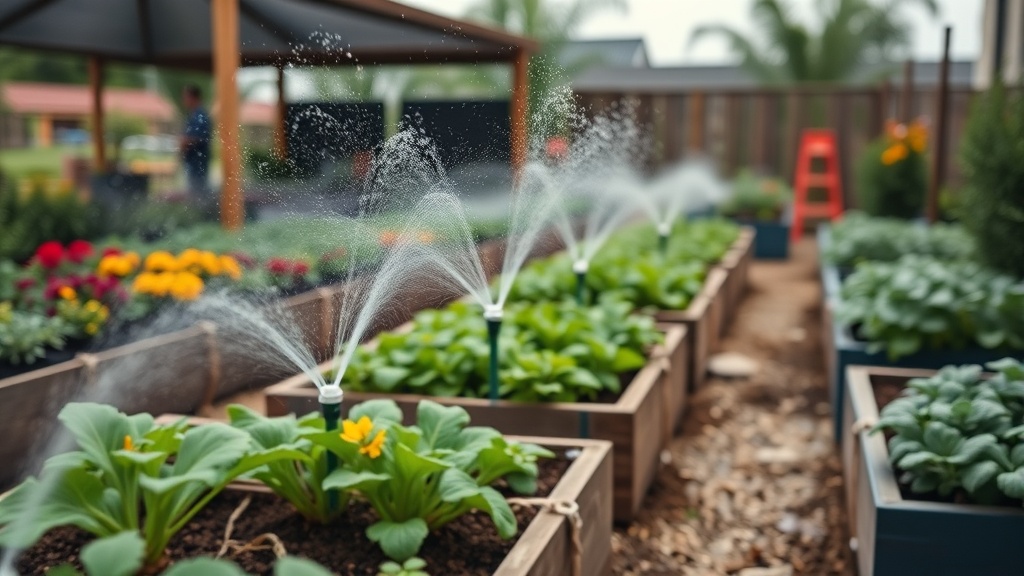
Drip irrigation layouts for raised beds on timers without overspray offer an efficient and water-wise solution for home gardeners. Proper system design ensures plants receive steady moisture without wasting water or damaging surrounding areas.
Key takeaways
- Drip irrigation systems reduce water waste and prevent overspray common with sprinklers.
- Layout planning focuses on emitter placement, tubing routing, and timer scheduling to optimize watering.
- Raised beds require tailored designs considering bed size, plant types, and soil conditions.
- Timers automate watering schedules, improving consistency and saving time.
- Avoiding overspray preserves garden pathways, walls, and prevents fungal diseases.
Understanding Drip Irrigation for Raised Beds
Drip irrigation applies water directly to the soil surface or root zone through a series of emitters or drippers connected by tubing. This contrasts sharply with sprinkler systems that spray water broadly and often cause runoff or overspray. For raised beds, drip irrigation is especially beneficial because:
- Raised beds heat up faster and dry out more quickly, requiring consistent watering.
- Precise water delivery reduces leaf wetness, minimizing disease risk.
- It focuses water only inside beds, protecting surrounding structures and pathways from overspray.
Planning Your Drip Irrigation Layout
Effective layout planning begins with considering your raised bed dimensions, plant spacing, and water needs.
Assess Raised Bed Size and Shape
Typical raised beds range from 3 to 6 feet wide and 6 to 12 feet long, though sizes vary. Narrow beds under 4 feet wide allow drip lines on both sides or a single line down the center. Wider beds often need multiple drip lines spaced 12 to 18 inches apart to ensure even coverage.
Map Plant Spacing and Root Zones
Emitter placement depends on root zones; for row crops like lettuce or carrots, a single drip line with emitters every 12 inches often suffices. For larger plants such as tomatoes or peppers, use multiple lines to irrigate both sides of the plant. Perennials or deep-rooted plants may need emitters that deliver more water volume.
Select the Right Emitters and Tubing
Emitters commonly release between 0.5 to 2 gallons per hour (GPH). Lower-flow emitters prevent runoff in raised beds with sandy soil, while higher-flow may suit denser soil types or larger plants. Main tubing is usually 1/2 to 5/8 inch diameter, with 1/4-inch lines connecting individual emitters.
Avoid Overspray with Proper Emitters and Positioning
Emitters should be placed directly at the plant base or slightly subsurface to prevent spray. Unlike micro-sprayers or sprinklers, drip emitters emit water as slow, steady drops that soak directly into soil.
Installing Timers for Consistent Watering
Timers automate irrigation cycles, ensuring plants receive moisture without manual intervention. This saves time and reduces overwatering risk.
Choose a Timer Compatible with Drip Systems
Most garden irrigation timers work well with drip setups. Look for one with multiple start times, adjustable durations, and rain delay features.
Program Timer Based on Soil and Plant Needs
Raised beds drain faster, meaning shorter, more frequent watering is best—often daily or every other day. Limit watering times to 15–30 minutes to allow soil to absorb water without pooling.
Prevent Overspray and Runoff through Scheduling
Avoid watering during windy times or late afternoon when evaporation increases. Early morning watering also lets plant surfaces dry during the day, reducing disease chance.
Sample Layout Designs for Common Raised Bed Setups
Below is a table summarizing typical drip irrigation layout options tailored to popular raised bed sizes and plant types without overspray.
| Bed Size | Plant Type | Drip Line Configuration | Emitter Spacing (inches) | Timer Duration (minutes) | Notes |
|---|---|---|---|---|---|
| 4’ x 8’ | Mixed vegetables | 2 lines spaced 12” apart | 12 | 20 | Emitters on both rows, balanced flow |
| 3’ x 6’ | Lettuce, herbs | Single line center of bed | 8-12 | 15 | Low flow, closer spacing for small roots |
| 5’ x 10’ | Tomatoes, peppers | 3 lines spaced 15” apart | 12 | 25 | Higher flow emitters near plants |
| 4’ x 12’ | Strawberries | 2 lines along bed edges | 8 | 18 | Edge watering prevents overspray |
| 6’ x 6’ | Mixed perennials | 3 lines evenly spaced | 18 | 30 | Deep watering, longer duration |
Tips to Minimize Overspray in Raised Bed Drip Systems
- Use pressure-compensating emitters to maintain uniform flow even on slopes.
- Secure tubing tightly to bed frames or with stakes to prevent movement.
- Consider burying drip lines 1–2 inches below soil surface for subsurface drip irrigation.
- Regularly inspect emitters for clogging or leaks that can cause water to spray.
- Install end caps and flush valves to clear sediment and maintain even pressure.
Maintenance and Troubleshooting
Routine maintenance keeps your drip irrigation working efficiently:
- Check and replace clogged emitters seasonally.
- Flush the system before each growing season.
- Inspect tubing for cracks or leaks.
- Adjust timer settings seasonally as plant water needs change.
- Use water filters at the source to prevent debris buildup.
Overspray or puddling usually signals emitter malfunction or poor layout. Adjust emitter placement or replace faulty devices as needed.
FAQ
How often should I water raised beds with drip irrigation on timers?
Frequency depends on soil and plants; sandy soils need daily watering, while clay soils may require every 2–3 days. Start with 15–30 minute cycles and adjust based on moisture levels.
Can I use a standard garden hose timer for drip irrigation?
Yes, most garden timers work well with low-pressure drip systems; just ensure they have appropriate programming options.
How do I prevent emitter clogging in my drip system?
Install a fine mesh filter, flush the lines regularly, and use pressure regulation to avoid debris buildup.
What is the best time of day to water raised beds?
Early morning watering reduces wind evaporation and allows plant surfaces to dry, minimizing disease.
Can I add fertilizer to drip irrigation water?
Yes, fertigation is possible but requires compatible injectors and monitoring to avoid emitter clogging.
Drip irrigation layouts for raised beds on timers without overspray make watering more efficient and precise. By planning emitter placement, choosing suitable components, and programming timers carefully, gardeners can maintain healthy plants, preserve water, and keep garden areas neat and dry.