Root depth charts — which vegetables need 12 vs 18 inch bed height

By Chen Wang · Senior Editor
Published June 1, 2026
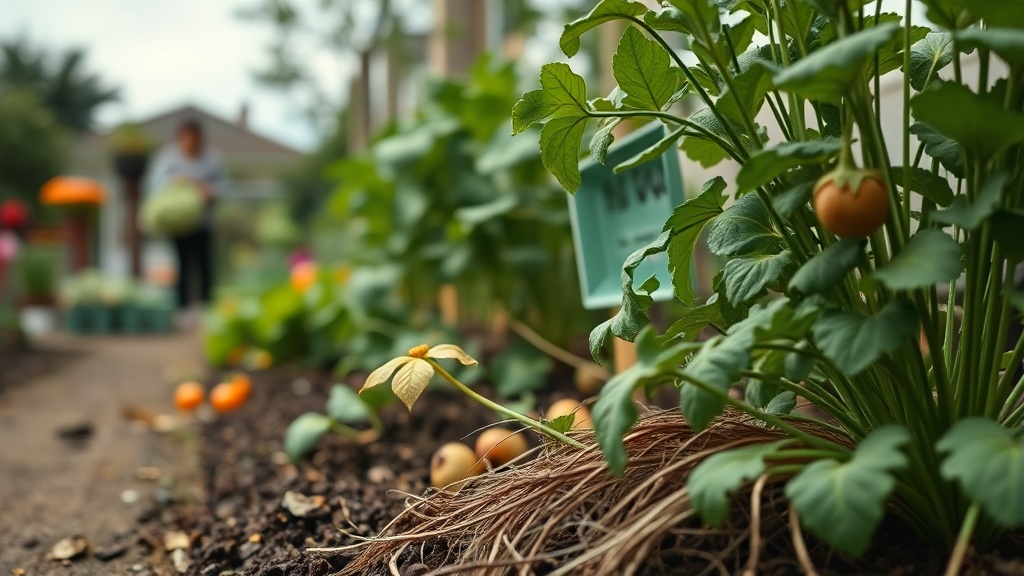
Root depth charts are essential for gardeners choosing raised bed heights to ensure vegetables grow well without wasting space or soil. Understanding which vegetables need 12-inch vs. 18-inch bed height helps optimize your garden’s productivity and plant health.
Key takeaways
- Most common vegetables grow well in 12-inch deep raised beds, but root vegetables and larger plants often require 18 inches.
- Shallow root crops like lettuce, herbs, and radishes can thrive in 6–12 inch beds, minimizing soil needs.
- Deep-rooted vegetables such as carrots, parsnips, and tomatoes benefit from at least 18 inches of planting depth to avoid stunting.
- Choosing the right bed depth balances soil volume, cost, and plant health, making root depth charts a practical tool.
- Account for soil type and watering—deeper beds hold moisture longer, aiding deep roots during dry spells.
Why root depth matters for raised bed heights
Raised bed gardening allows you to control soil quality, drainage, and temperature, which improves plant growth. However, to maximize these benefits, the bed height should match the root zone needs of the plants you intend to grow.
Roots require space to expand for nutrient and water uptake. Crowding roots in a shallow bed can stunt plants, reduce yields, or cause stress during droughts. Conversely, using overly deep beds wastes soil and money, as filling beds with high-quality soil can be expensive and unnecessary for shallow-rooted plants.
Understanding root depth requirements helps gardeners select the most efficient bed height. For example, leafy greens need less depth than root vegetables like carrots or beets, which require sufficient soil to grow properly.
Root depth requirements by vegetable type
Vegetables vary widely in how far their roots penetrate. Some form shallow fibrous roots, while others develop long taproots or deep lateral roots. The table below highlights typical mature root depths for common vegetables, grouped by those generally suited for 12-inch and 18-inch raised beds.
| Vegetable Type | Common Vegetables | Average Root Depth (inches) | Recommended Bed Height |
|---|---|---|---|
| Shallow-rooted leafy greens | Lettuce, spinach, kale | 6–12 | 12 inches or less |
| Herbs | Basil, parsley, chives | 6–12 | 12 inches or less |
| Root vegetables (shallow) | Radishes, green onions | 6–12 | 12 inches |
| Root vegetables (deep) | Carrots, beets, parsnips | 12–18+ | 18 inches |
| Fruiting vegetables | Tomatoes, peppers, eggplant | 12–18 | 18 inches |
| Legumes and vine crops | Beans, peas, cucumbers | 12–18 | 18 inches |
Shallow-rooted vegetables for 12-inch beds
Vegetables that produce most of their edible parts above ground, or have fibrous root systems close to the surface, do well with a soil depth around 12 inches. Most annual leafy greens, herbs, and some root vegetables fall in this category.
- Lettuce and spinach: Their twisting, fibrous roots rarely grow deeper than 8 to 10 inches.
- Radishes and green onions: These root veggies develop small, shallow roots needing less than a foot of soil.
- Herbs: Most culinary herbs like basil, oregano, and chives prefer well-drained but shallow soil layers.
Providing 12 inches of loose, nutrient-rich soil is typically sufficient for healthy growth and maximum yield.
Deep-rooted vegetables for 18-inch beds
Larger or long-taprooted plants require more soil depth for unrestricted root growth. Raised beds at least 18 inches deep accommodate:
- Carrots, beets, and parsnips: These taproot vegetables need room to elongate. Shallow soil can result in forked, stunted, or split roots.
- Tomatoes and peppers: While some roots stay shallow, deep lateral roots support stability and drought resistance.
- Beans, peas, cucumbers: These crops often explore soil for moisture and nutrients; deeper beds improve anchorage and vigor.
An 18-inch raised bed generally balances ease of soil management with sufficient root room for most deep-root crops.
How to choose the right bed height for your garden
Selecting your raised bed height involves multiple factors beyond just root depth charts.
Consider your vegetable choices
Begin by listing the crops you want to grow in your raised beds. If you mostly plant leafy greens and herbs, 12-inch beds may be all you need. If root crops or fruiting vegetables like tomatoes are prominent, 18-inch beds offer better conditions.
Soil type and quality
Heavy clay soil benefits from deeper raised beds filled with well-draining soil or compost to prevent waterlogging. Looser sandy soils may require less depth because roots can penetrate easier but may also dry out faster.
Watering practices
Deeper beds retain moisture longer, reducing irrigation frequency, especially important for deep-rooted plants that rely on consistent moisture at lower soil levels.
Budget and material availability
Building 18-inch high beds requires more lumber, soil, and effort than 12-inch beds, impacting cost. It’s worth verifying local prices and delivery options.
Accessibility
If you prefer lower beds for comfort or sit-down planting, 12-inch beds are simpler to maintain. Taller beds may require more structure or reinforcement.
Practical root depth chart summary for common vegetables
| Vegetable | Avg Root Depth (in) | Best Raised Bed Height | Notes |
|---|---|---|---|
| Lettuce | 6–8 | 12 inches | Shallow roots; grow well in 12-inch |
| Spinach | 6–10 | 12 inches | Similar to lettuce; shallow |
| Radish | 6–8 | 12 inches | Short taproot; avoid compact soil |
| Green onion | 6–10 | 12 inches | Shallow fibrous roots |
| Carrot | 12–18+ | 18 inches | Long taproot; deeper beds reduce forked roots |
| Beet | 12–16 | 18 inches | Deeper soil improves shape |
| Parsnip | 12–18+ | 18 inches | Requires deep, loose soil |
| Tomato | 12–18 | 18 inches | Deep roots support fruit production |
| Pepper | 12–18 | 18 inches | Benefit from deep planting soil |
| Basil | 6–12 | 12 inches | Herb; shallow roots |
| Beans | 12–18 | 18 inches | Need space for root spread |
| Peas | 12–18 | 18 inches | Same as beans; root vigor depends on soil depth |
Tips for maximizing raised bed root health
- Use loose, well-draining soil: Compacted soil restricts roots even in deeper beds.
- Amend with organic matter: Compost improves moisture retention and nutrient availability.
- Avoid overcrowding: Plant roots need space; observe recommended spacing on seed packets.
- Mulch surface: Helps retain soil moisture and regulate temperature.
- Rotate crops: Prevent soil disease that may impact root development.
- Water deeply and consistently: Especially for deep-rooted plants.
FAQ
What happens if I plant deep-rooted vegetables in a 12-inch bed?
Roots may become stunted, deformed, or crowd near the surface, reducing yield and potentially causing stress during dry conditions. Deep beds allow roots to grow naturally without restriction.
Can I grow shallow-rooted vegetables in an 18-inch raised bed?
Yes, shallow-rooted plants grow fine in deeper beds. The extra soil volume helps retain moisture but may use more soil than necessary.
How much soil do I need for a 12-inch vs 18-inch raised bed?
Multiply the bed’s length and width by the height. For example, a 4x8 bed with 12-inch height requires 32 cubic feet of soil; an 18-inch bed requires 48 cubic feet—50% more soil.
Are 6-inch raised beds enough for some vegetables?
Yes, some shallow-rooted greens, sprouts, and small herbs grow well in 6-inch beds, especially with frequent watering and fertile soil.
Is it better to have taller beds or wider beds if space is limited?
Prioritize bed depth based on root needs first, then maximize width for growing area while maintaining accessibility. Deep beds improve root health, but beds wider than 4 feet can become hard to reach.
Matching your raised bed height to the root depth needs of your vegetables ensures healthier plants and better harvests without unnecessary cost or soil use. Use this root depth chart to make informed decisions and build a gardening setup that fits your space and crop goals.