Self-watering raised bed reservoirs compared for vacation watering

ByChen Wang · Senior Editor
Published June 1, 2026
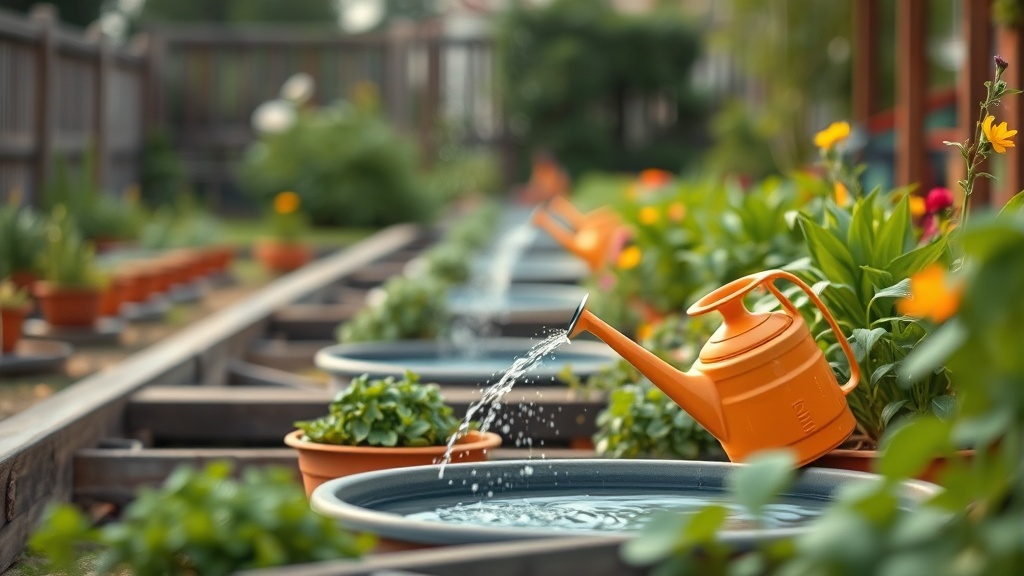
Self-watering raised bed reservoirs offer a practical way to keep your garden hydrated during vacations without daily upkeep. Comparing different designs and materials can help you choose the most reliable system for your raised beds while you’re away.
Key takeaways
- Self-watering reservoirs reduce water stress in raised beds during extended absences.
- Reservoir design, size, and material affect water capacity, plant uptake, and maintenance ease.
- Systems vary from simple wick-based reservoirs to advanced sub-irrigation setups.
- Compatibility with existing raised beds and soil type influences effectiveness.
- Evaluating cost versus durability and convenience helps find the best system for vacation watering needs.
What Are Self-Watering Raised Bed Reservoirs?
Self-watering raised bed reservoirs are built-in or add-on water storage units designed to deliver moisture gradually to plants growing in raised beds. Unlike daily manual watering, these reservoirs rely on capillary action, wicks, or sub-irrigation pipes to keep soil consistently moist. For gardeners who spend time away, they reduce the risk of plants dying due to underwatering or inconsistent watering.
Typically, the reservoir is located below or adjacent to the soil, holding water that moves upward through the porous soil medium or via wicks. The goal is to maintain even moisture levels and promote healthy root development without waterlogging or drying out.
Key Features to Consider for Vacation Watering
When selecting or building a self-watering reservoir for your raised bed to manage watering during vacations, focus on the following attributes:
Water Capacity
The reservoir must hold enough water to cover the entire absence period plus a buffer. For example, a 2-week vacation requires a reservoir sized to meet peak water usage in hot conditions. Generally, the larger the reservoir, the longer it will supply water without needing a refill.
Reservoir Placement
- Below the soil: Sub-irrigation reservoirs underneath the soil provide direct moisture to roots.
- Side reservoirs: Some designs place water containers beside the soil, connected via wicks or tubes.
- Integrated beds: Certain raised beds come pre-built with internal reservoirs for simplicity.
Placement affects ease of filling, refilling during vacation, and how evenly water spreads through soil.
Material Durability
Reservoirs made from sturdy plastic, polyethylene liners, or metal last longer outdoors. Avoid materials that degrade rapidly under sun exposure or that may leach harmful chemicals.
Ease of Refilling and Monitoring
A good vacation watering system includes an accessible refill opening or water inlet tube and ideally a water level indicator. This helps fill before departure and monitor during longer absences if a helper is available.
Soil and Plant Compatibility
Heavy clay soils hold water differently than sandy or loamy soils, affecting reservoir effectiveness. Deep-rooted plants might benefit more from sub-soil reservoirs, whereas shallow-rooted species may need surface wicks.
Types of Self-Watering Reservoirs for Raised Beds
Here’s a look at common reservoir types, their pros and cons for vacation watering:
| Reservoir Type | Description | Water Capacity | Ease of Setup | Maintenance | Best for |
|---|---|---|---|---|---|
| Wick Reservoir | Water reservoir connected to soil with wicks | Small to medium | Easy | Low | Shallow root plants, short trips |
| Sub-irrigation Tray | Water held under soil with holes allowing water up | Medium to large | Moderate (bed modification) | Moderate | Deep root crops, longer absences |
| Watering Tube | Vertical tube inserts allowing water topping | Medium (depends on tube depth) | Very easy | Low | Existing beds, flexible watering |
| Self-watering Raised Bed Kits | Beds with built-in reservoirs or ballast tanks | Large (integrated capacity) | Setup required by purchase | Low to moderate | New installations, extended vacations |
| Gravity-fed Reservoir | External tank with drip or capillary drip system | Large (externally mounted) | Complex (requires plumbing) | Higher | Large beds, multiple plant types |
How to Choose the Right Reservoir for Your Vacation Watering Needs
-
Assess Your Vacation Length and Climate
Hot, dry climates increase water need. Longer trips require larger reservoirs or multiple watering strategies. -
Evaluate Raised Bed Dimensions and Soil Type
Larger beds require proportionally bigger reservoirs. Lightweight or deeper soil profiles may change capillary action efficacy. -
Choose Ease of Use and Maintenance Level
If you prefer low-maintenance systems, opt for self-contained reservoirs without complex plumbing. -
Budget Considerations
Integrated kits have higher upfront costs but simplify setup. DIY wick systems are cheaper but may need tuning. -
Availability of Helpers
If someone can check your garden during vacation, less automated systems may suffice.
Top Self-Watering Reservoir Practices for Vacation Success
- Pre-fill and soak soil before departure: This ensures maximum initial moisture.
- Test your system in advance: Run through a dry spell to catch failures.
- Use mulch: Mulch conserves soil moisture and reduces evaporation.
- Add water level indicators: These save guessing and water waste.
- Consider a backup drip system: For longer vacations, added irrigation controls risk.
Simple DIY Wick Reservoir Setup for Vacation Watering
For gardeners on a budget, a DIY wick reservoir is straightforward:
- Use a plastic container or bucket as the reservoir.
- Fill with water and place beside the raised bed.
- Insert one or more cotton or nylon wicks (or strips of fabric) connecting the water reservoir to the raised bed soil.
- Ensure wicks are damp and loosely covered in soil to regulate water flow.
- Check the reservoir fills before leaving and place a marker or indicator.
This method works for smaller beds and shorter trips but may require monitoring during prolonged absences.
Comparison Checklist: Choosing a Self-Watering Reservoir for Vacation
| Criteria | Wick Reservoir | Sub-irrigation Tray | Watering Tube | Self-watered Bed Kit | Gravity-fed Reservoir |
|---|---|---|---|---|---|
| Ease of Installation | Very easy | Moderate | Very easy | Moderate to complex | Complex |
| Cost | Low | Medium | Low | High | High |
| Water Capacity | Low to medium | Medium to high | Medium | High | Very high |
| Maintenance Frequency | Low | Medium | Low | Low to medium | Higher |
| Effectiveness for Long Vacation | Low to medium | High | Medium | High | Very high |
| Best Use Case | Short trips, small beds | Long absences, deep roots | Easy upgrade to existing beds | New beds, long vacation | Multi-bed large setups |
FAQ
How long can a self-watering raised bed reservoir supply water during a vacation?
The duration depends on the reservoir size, weather conditions, and plant water usage. Small reservoirs may last up to a week, whereas large integrated or gravity-fed systems can supply water for several weeks or more if sized correctly.
Can I retrofit an existing raised bed with a self-watering reservoir?
Yes, simple systems like wick reservoirs or watering tubes are excellent retrofit options that don’t require major modifications. For sub-irrigation trays, some excavation and bed adjustments are necessary.
Do self-watering reservoirs reduce watering frequency or eliminate it entirely?
They greatly reduce watering frequency but typically do not eliminate it. Over extended periods, reservoirs need refilling, especially during hot conditions or with thirsty plants.
Are self-watering reservoirs compatible with all plant types?
Most vegetables and flowers benefit from consistent moisture, but some plants prefer drier soil. Shallow-rooted or drought-tolerant species may not need reservoirs, while deep-root crops gain the most.
What maintenance is required for self-watering reservoirs during vacation?
Maintenance includes filling the reservoir before leaving, checking for leaks or clogging, monitoring water levels if possible, and cleaning reservoirs between seasons to avoid algae buildup.
Self-watering raised bed reservoirs are a valuable tool for vacation watering when chosen to fit your garden size, soil, and plant needs. Understanding the differences in design and function will help maintain plant health and relieve watering worries during your time away.