Soil mix recipes for raised beds — compost ratio and drainage tests

ByChen Wang · Senior Editor
Published June 1, 2026
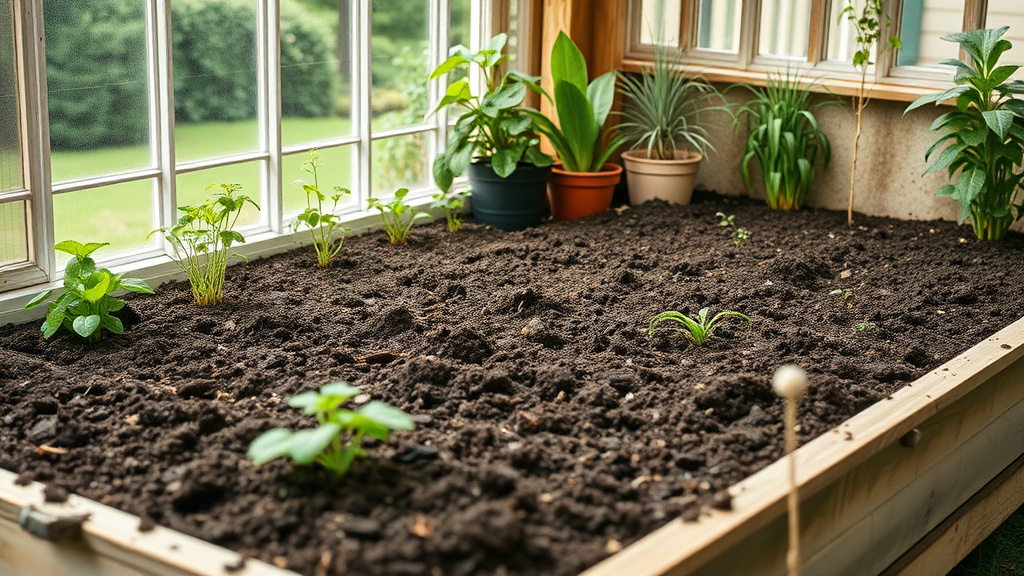
Soil mix recipes for raised beds are essential for growing healthy, productive plants. Knowing the right compost ratio and how to test drainage can make a significant difference in soil performance and plant health.
Key takeaways
- Ideal raised bed soil mixes balance compost, topsoil, and aeration materials for nutrients and drainage.
- Compost typically makes up 30-50% of the mix to provide organic matter without overwhelming soil structure.
- Drainage tests help identify if water retention is too high or soil dries out too quickly, informing mix adjustments.
- Custom recipes can be adjusted based on climate, crop type, and local soil availability.
- Simple field tests for drainage ensure raised beds avoid waterlogging or drought stress.
Why soil mix matters in raised beds
Raised beds offer gardeners control over soil quality, but simply filling the bed with native soil usually leads to poor growth. This is because native soil often lacks organic nutrients, proper structure, or adequate drainage. A thoughtfully formulated soil mix is rich in nutrients, well-aerated, and able to hold moisture while reducing waterlogging risks.
The “soil mix” refers to a combination of ingredients like compost, topsoil (or garden soil), coarse sand or perlite for drainage, and sometimes other amendments such as peat moss or coconut coir. Compost ratio, in particular, is a key factor since too little compost results in nutrient-poor soil, while too much can compact and reduce airflow.
Understanding the right compost ratio and how to evaluate drainage through simple tests lets gardeners tailor their raised bed soils for specific crops and local conditions. This article covers several proven soil mix recipes, explains how to measure compost content effectively, and describes how to perform drainage tests.
Components of an effective raised bed soil mix
A healthy raised bed mix generally includes three main components:
- Compost: The organic powerhouse supplying nutrients, beneficial microbes, and improved moisture retention. Well-aged compost is preferred to avoid pathogens.
- Topsoil or garden soil: Provides mineral content, texture, and bulk for root support. Topsoil quality varies widely; choose loamy soil with good texture.
- Aeration amendment: Materials like coarse sand, perlite, vermiculite, or fine gravel prevent compaction and improve water drainage and root respiration.
Compost
Compost ratio in raised beds generally falls between 30% and 50% by volume. Less than 30% makes soil hard and nutrient-poor, while over 50% can lead to excessive moisture retention and compaction. Compost type also matters—sources such as homemade vegetable and leaf compost, mushroom compost, or manure-based compost vary in nutrient density and salt content.
Topsoil
Topsoil fills the bulk of the mix, ideally a loam or sandy loam with moderate organic matter and good structure. Avoid heavy clay soils as they tend to hold water excessively and may compact, impairing root growth.
Aeration amendments
Adding coarse sand, perlite, or small gravel at about 10–20% by volume improves drainage. These materials create air pockets essential for root health and prevent waterlogging.
Sample soil mix recipes for raised beds
Several tested recipes provide starting points for raised bed soil mixes. Adjustments can be made depending on local materials and crop needs.
| Recipe Name | Compost (%) | Topsoil (%) | Aeration Amendment (%) | Notes |
|---|---|---|---|---|
| Balanced Mix | 40 | 50 | 10 | Good general-purpose soil |
| Nutrient-rich Mix | 50 | 40 | 10 | For heavy feeders like tomatoes |
| Drainage-focused Mix | 35 | 45 | 20 | Ideal for wet climates, root veggies |
| Water-retentive Mix | 45 | 45 | 10 | Includes peat moss or coco coir for dry areas |
Balanced Mix (40/50/10)
- 40% compost
- 50% topsoil (loamy)
- 10% coarse sand or perlite
This recipe offers a balanced approach suitable for most vegetables and flowers, ensuring nutrients and good drainage.
Nutrient-rich Mix (50/40/10)
- 50% mature compost
- 40% topsoil
- 10% perlite or fine gravel
Suited for nutrient-demanding crops like tomatoes, peppers, and cucumbers. Compost should be fully decomposed to avoid nitrogen lock.
Drainage-focused Mix (35/45/20)
- 35% compost
- 45% sandy topsoil
- 20% coarse sand or small gravel
Recommended for regions with heavy rainfall or crops sensitive to root rot such as carrots and onions.
Water-retentive Mix (45/45/10 plus peat or coir)
- 45% compost
- 45% topsoil
- 10% aeration amendment
- Optional 5-10% peat moss or coconut coir
Ideal for hot, arid climates needing more moisture retention.
How to measure and achieve the right compost ratio
Measuring compost ratio by volume is the easiest method. Use containers or buckets to estimate proportions before mixing. For instance, to fill a 1-cubic-foot raised bed layer:
- 0.4 cu ft compost + 0.5 cu ft topsoil + 0.1 cu ft sand/perlite = 1 cu ft
For larger beds, measure ingredients in wheelbarrows or buckets with known volume, then combine thoroughly.
Tips for mixing:
- Spread layers evenly and combine well but avoid over-tilling, which can break down soil structure.
- Use gloves and shovels or powered soil mixers for efficiency.
- Keep compost moist but not wet before mixing.
Conducting drainage tests for raised bed soil mixes
Proper drainage prevents root diseases and poor growth. A simple drainage test can determine if your soil mix retains too much water or drains too quickly.
Drainage Test Procedure
- Fill a small container (e.g., pot or bucket) with the mixed soil.
- Saturate the soil fully with water and allow excess to drain.
- After saturation, pour 1 inch (2.5 cm) of water on top.
- Time how long the water takes to drain completely.
Interpretation
| Drainage Time | Soil Mix Status | Suggested Adjustments |
|---|---|---|
| Less than 5 minutes | Too fast drainage | Add more compost or peat moss for water retention |
| 5 to 15 minutes | Ideal drainage | No changes needed |
| More than 15 minutes | Poor drainage / waterlogged | Add more sand/perlite or gravel for aeration |
Repeat tests after any soil adjustments, letting the soil settle between tests.
Adjusting soil mix based on drainage results
- Slow drainage often means compacted soil or too much fine organic matter. Adding coarser materials improves aeration.
- Fast drainage usually indicates sandy soil or low organic content; increasing compost or adding peat moss helps retain moisture.
- Drainage can also be influenced by raised bed depth and local climate; shallow beds dry out faster.
Soil pH and nutrient considerations
While this article focuses on compost ratio and drainage, knowing your raised bed soil’s pH can impact nutrient availability. Most vegetables thrive in slightly acidic to neutral soils (pH 6.0–7.0). Compost usually buffers pH naturally, but testing soil before planting is recommended.
Adding balanced organic fertilizer or amendments may be necessary based on crop needs and soil tests.
Summary checklist for raised bed soil mixes
| Factor | Ideal Range | Notes |
|---|---|---|
| Compost ratio | 30–50% | Avoid too much to prevent compaction |
| Topsoil volume | 40–60% | Use loamy soil with good texture |
| Aeration amendment | 10–20% | Sand, perlite, or gravel |
| Drainage time (test) | 5–15 minutes | Indicates well-balanced moisture |
| pH | 6.0–7.0 | Adjust with lime or sulfur as needed |
| Moisture content | Moist, not soggy | Soil should feel evenly damp |
FAQ
What is the ideal compost ratio for raised bed soil?
A compost ratio between 30% and 50% by volume is ideal. This provides enough nutrients and organic matter without causing compaction or poor drainage.
How do I test if my raised bed soil drains properly?
Fill a container with your soil mix, saturate it, then add one inch of water and time how long it takes to drain. Drainage between 5-15 minutes is optimal for most crops.
Can I use just compost for raised bed soil?
Using 100% compost is not recommended because it can retain too much moisture and become compacted. Mixing compost with topsoil and aeration material creates better structure and drainage.
How often should I refresh or replace raised bed soil?
Typically, raised bed soil lasts 2–3 years before nutrient depletion occurs. Adding fresh compost annually and rotating crops helps maintain soil health and structure.
What aeration materials work best in soil mixes?
Coarse sand, perlite, vermiculite, and small gravel are common aeration amendments. Choose based on availability and the drainage needs of your garden.
This practical approach to soil mix recipes and drainage tests helps gardeners create healthy raised beds with optimal growing conditions. Regular testing and adjustment based on specific garden needs ensure long-term soil performance and abundant harvests.