Trellis systems for raised bed tomatoes and cucumbers without tipping

ByChen Wang · Senior Editor
Published June 1, 2026
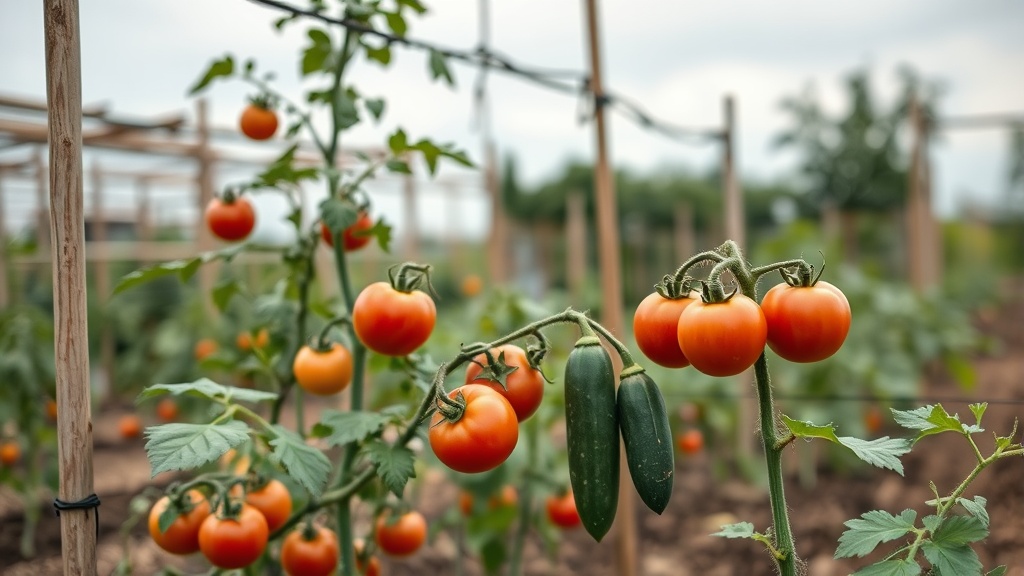
Trellis systems for raised bed tomatoes and cucumbers without tipping are essential for maintaining plant health, maximizing yield, and keeping your garden neat. Choosing a sturdy, well-balanced trellis designed specifically for raised beds prevents tipping issues common with top-heavy plants like tomatoes and sprawling cucumbers.
Key takeaways
- A trellis for raised bed tomatoes and cucumbers must prioritize stability to prevent tipping, especially in windy or uneven conditions.
- Materials like metal and rigid-coated wire offer better durability and weight support than flimsy wood or plastic options.
- Freestanding and securely anchored trellises work better for raised beds than tension-style trellises designed for in-ground use.
- Growing vertical reduces disease risk, improves air circulation, and simplifies harvesting, but only with a stable structure.
- Modular and adjustable trellis systems allow customization to fit different raised bed sizes and plant varieties.
Why Stability Matters in Trellises for Raised Bed Tomatoes and Cucumbers
Tomatoes and cucumbers are vigorous climbers with heavy fruit loads. When supported by a trellis, these plants grow upward, saving space and improving air flow. However, raised beds often provide less anchoring depth than traditional in-ground gardens, increasing the risk of trellis tipping or collapse, especially in windy conditions or as plants grow top-heavy.
A tipping trellis damages plants, disrupts growth, and poses a safety hazard in the garden. Therefore, choosing a trellis system that is engineered or designed to remain stable in raised beds is crucial for gardeners seeking long-term reliability and ease of maintenance.
Types of Trellis Systems Best Suited for Raised Bed Tomatoes and Cucumbers
When selecting a trellis, stability must be balanced with accessibility and suitability for the specific plants:
1. Freestanding Metal Frame Trellises
- Constructed from steel or aluminum.
- Often feature wide, weighted feet or stakes inserted into the raised bed soil for stability.
- Can support heavy tomato clusters and cucumber vines firmly.
- Usually coated with rust-resistant paint for longevity.
- Examples include A-frame or rectangular cage designs.
2. Welded Wire Panels or Mesh Trellises
- Heavy-gauge galvanized wire panels provide a strong climbing surface.
- Panels can be anchored securely by embedding stakes deep inside the soil.
- Easily attached to raised bed frames for added structural support.
- Suitable for both determinate and indeterminate tomato varieties as well as cucumbers.
3. Tension Rod or Cable Trellises (With Proper Anchoring)
- Utilize tensioned cables or rods between two sturdy anchor points.
- Require reinforcement with ground stakes, wall attachments, or heavy bases.
- Benefit from tension adjustments to prevent bending.
- Less common but can be adapted for raised beds when designed properly.
4. Wooden Trellises with Reinforced Anchoring
- Durable hardwood or pressure-treated wood can work well.
- Stability depends on anchoring stakes driven deeply into the raised bed.
- Cross-bracing helps reduce sway and tipping.
- May require seasonal maintenance against rot or insect damage.
Key Features to Look For in a Stable Raised Bed Trellis
| Feature | Why it Matters | Ideal Choice |
|---|---|---|
| Material | Durability and weight support | Metal (steel/aluminum), treated wood |
| Base Stability | Prevents tipping during wind or plant weight | Wide feet, deep stakes, ground anchors |
| Height and Width | Suitable for plant growth without sagging | 5-7 feet tall, 2-4 feet wide |
| Climbing Surface Type | Allows easy vine attachment and detachment | Wire mesh, horizontal wires, or lattice |
| Maintenance Needs | Longevity and ease of cleaning | Rust-resistant coatings, rot-proof wood |
| Modularity | Ability to adjust for different raised bed sizes | Interlocking panels, adjustable frames |
Installation Tips to Prevent Trellis Tipping in Raised Beds
- Deeply anchor trellis legs or stakes at least 8–12 inches into the raised bed soil.
- Use sandbags or garden staples on feet to add extra weight if necessary.
- Fix wire panels firmly to the raised bed frame with brackets or zip ties to avoid movement.
- Space individual plants consistently to prevent uneven weight distribution.
- Regularly inspect and tighten attachments or stakes as plants grow.
- Consider windbreaks or garden fencing for sites with persistent strong winds.
Benefits of Using Trellis Systems for Raised Bed Tomatoes and Cucumbers
-
Improved Air Circulation and Sun Exposure
Vertical growth allows leaves to dry quickly, reducing fungus risk common in humid climates. -
Increased Yield and Easier Harvesting
Trellised plants produce more fruit per square foot and make picking simpler without bending. -
Space Efficiency
Maximizes garden productivity in small or urban spaces by growing upwards rather than sprawling out. -
Cleaner Fruits and Reduced Pest Problems
Elevated fruit avoid soil contact where pests like slugs and soil-borne diseases live. -
Plant Health Monitoring
Easier to spot early signs of disease or pests on upright vines.
Common Raised Bed Trellis Configurations for Tomatoes and Cucumbers
| Configuration | Description | Pros | Cons |
|---|---|---|---|
| A-Frame Trellis | Two panels joined at the top in an A shape | Very stable; easy access sides | Requires wider bed or border space |
| Vertical Panel | Single flat wire or mesh panel mounted vertically | Space-saving; easy to build | Needs secure anchoring |
| Teepee Trellis | Poles arranged in a conical shape tied at the top | Good for cucumbers; aesthetic | Can be less stable if not anchored |
| Obelisk or Cage | Cylindrical or square structure enclosing plants | Good for determinate tomatoes | May limit airflow if too dense |
| Cable or Wire Rope | Tensioned cables running horizontally | Flexible design, unobtrusive | Must ensure tension and anchorage |
Choosing the Right Trellis System for Your Raised Bed Garden
Select your trellis system based on garden size, plant types, climate conditions, and maintenance willingness. For heavy, indeterminate tomatoes and sprawling cucumber varieties, prioritize strong metal or reinforced wood frames.
Consider how you will anchor the trellis in your raised bed—adding sturdy bases or embedding stakes deep into the soil improves resistance to tipping. If portability is desired, freestanding trellises with weighted or broad feet are effective.
FAQ
What kind of trellis is best to prevent tipping in raised bed tomatoes?
A freestanding metal frame or heavy-duty wire mesh trellis with wide, weighted bases or deeply driven stakes is best for preventing tipping. Avoid lightweight or flimsy materials that can bend or uproot as tomatoes grow heavier.
Can I use a tension cable or rod trellis in a raised bed?
Yes, but you must reinforce anchoring points firmly into the soil or raised bed frame. Without proper tension and support, these trellises can lose stability and tip over with heavy fruiting vines.
How high should a trellis be for raised bed cucumbers and tomatoes?
A height of 5 to 7 feet typically provides enough vertical space for indeterminate tomatoes and most cucumbers, allowing vines to climb without crowding or sagging.
Are wooden trellises a good option for raised beds?
Wood can be stable and supportive when pressure-treated or hardwood is used and when properly anchored. However, they require maintenance to prevent rot and may be less durable in wet climates compared to metal trellises.
How do you secure a trellis in a raised bed to avoid tipping?
Embed trellis legs or stakes at least 8 to 12 inches deep in the soil, attach securely to raised bed sides when possible, and add weight to the base using sandbags or bricks. Regularly check and tighten fasteners as plants grow heavier.