Winter cover crops to plant in raised beds between seasons

ByChen Wang · Senior Editor
Published June 1, 2026
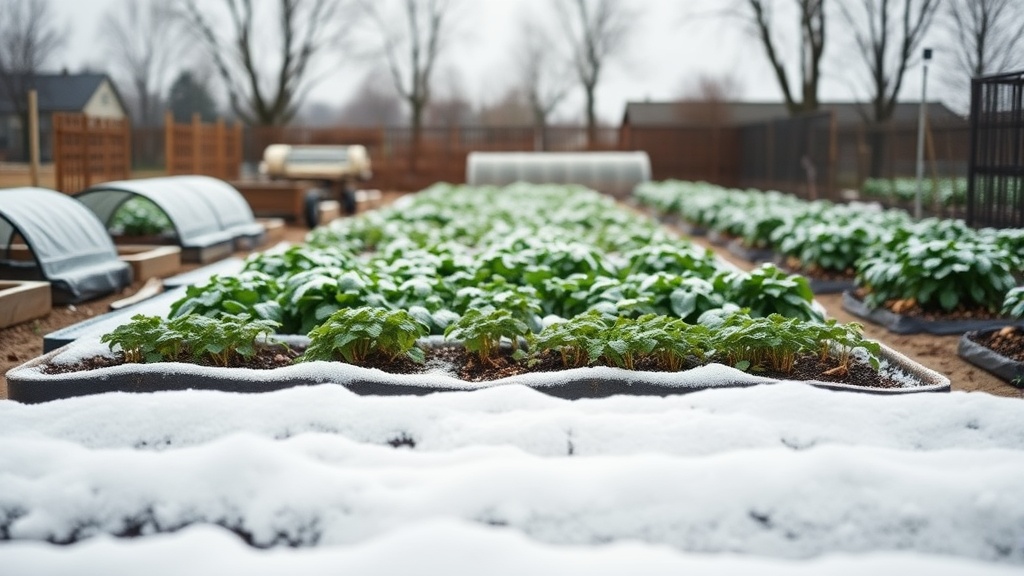
Winter cover crops to plant in raised beds between seasons help protect soil health and improve fertility during the off-season. Choosing the right cover crop depends on your region, soil needs, and garden goals, but several reliable varieties thrive in raised beds to keep your garden productive year-round.
Key takeaways
- Winter cover crops prevent soil erosion, suppress weeds, and add organic matter in raised beds during dormant seasons.
- Legumes like winter peas fix nitrogen, while grains such as rye and oats contribute biomass and weed control.
- Select cover crops suited to your climate zone to ensure successful overwintering and spring termination.
- Proper planting timing and management—like mowing or tilling under—are crucial to maximize benefits.
- Raised beds require careful soil preparation and cover crop choice to maintain drainage and prevent compaction.
Why Plant Winter Cover Crops in Raised Beds?
Raised beds provide excellent drainage and soil control but can leave soil exposed and vulnerable when left bare between growing seasons. Planting winter cover crops in raised beds offers several advantages:
- Erosion Control: Cover crops protect soil from wind and rain impact, minimizing nutrient loss.
- Weed Suppression: Their growth shades out winter weeds, reducing work in spring.
- Soil Fertility: Leguminous cover crops fix nitrogen, enriching the soil naturally.
- Organic Matter: When terminated, cover crops decompose to increase soil organic content and improve structure.
- Pest and Disease Management: Some cover crops reduce pest populations and disease pathogens via biofumigation or habitat disruption.
In raised beds, these benefits help maintain soil health, support spring planting, and maximize garden productivity.
Best Winter Cover Crops for Raised Beds
Choosing the appropriate winter cover crop depends on your goals: nitrogen fixation, biomass production, soil protection, or weed suppression. Below are some common and effective options suitable for raised beds.
1. Winter Rye (Secale cereale)
- Benefits: Excellent biomass producer, strong weed suppression, cold-hardy.
- Soil Suitability: Adaptable; grows well in most soils, including sandy raised beds.
- Management: Sow in early fall; terminates best by mowing or tilling before it seeds.
- Notes: Rye residues decompose relatively slowly; incorporate early in spring to avoid nitrogen tie-up.
2. Hairy Vetch (Vicia villosa)
- Benefits: Nitrogen fixer; good ground cover; attracts pollinators.
- Soil Suitability: Prefers well-drained soil found in raised beds.
- Management: Plant in late summer or early fall; terminate before flowering to maximize nitrogen contribution.
- Notes: Can be slow to establish, so consider mixing with rye for quick cover.
3. Crimson Clover (Trifolium incarnatum)
- Benefits: Fixes nitrogen, blooms with attractive red flowers.
- Soil Suitability: Prefers fertile, well-drained soils common in raised beds.
- Management: Sow August to early fall; frost tolerant but generally winter-killed in colder zones.
- Notes: Great for short winters or mild climates.
4. Winter Wheat (Triticum aestivum)
- Benefits: Fast growing, good biomass, erosion control.
- Soil Suitability: Performs well in raised beds with ample nutrients.
- Management: Sow in early fall; terminate before seed set.
- Notes: Use when you want rapid cover and easier spring incorporation.
5. Austrian Winter Peas (Pisum sativum subsp. arvense)
- Benefits: Nitrogen fixation, frost-tolerant to about 10°F (-12°C).
- Soil Suitability: Performs best in lighter, well-drained bed soil.
- Management: Plant late summer/early fall; terminate before seed pods develop.
- Notes: Can be combined with oats or rye for balanced cover.
6. Oats (Avena sativa)
- Benefits: Rapid growth, excellent weed suppression, good biomass.
- Soil Suitability: Well-drained raised beds; prefers neutral to slightly acidic soil.
- Management: Plant in fall; typically winter-killed in cold climates, simplifying spring cleanup.
- Notes: Ideal for colder regions or short-season cover cropping.
How to Plant Winter Cover Crops in Raised Beds
Raised beds require deliberate steps for cover crop planting due to confined space and soil management needs.
Soil Preparation
- Clear debris and old crop residues.
- Loosen soil lightly to avoid compaction. Raised beds already have loose soil but avoid overworking.
- Test pH if possible—most cover crops grow well in pH 6.0–7.5.
- Incorporate balanced amendments if needed; cover crops can’t offset highly depleted soil without some support.
Seeding
- Use quality, untreated seed appropriate for your zone.
- Broadcast seed evenly over the surface or sow in rows depending on bed width.
- Rake lightly to cover or press seed into soil for good contact.
- Water after planting unless a fall rain is imminent.
Timing
- Plant cover crops 4–6 weeks before the first hard frost to ensure establishment.
- In mild climates, sow as late as early November can still work; colder zones may need sowing by late September or October.
Maintenance
- Irrigate if dry to ensure germination and growth.
- Avoid walking excessively on growing cover crops to minimize soil compaction.
Managing Cover Crops in Raised Beds: Termination and Incorporation
Proper management after winter is vital for maximizing cover crops’ benefits without interfering with the next crop cycle.
Termination Methods
| Method | Pros | Cons | Notes |
|---|---|---|---|
| Mowing/Cutting | Quick, prevents seed set | May leave heavy residue to manage | Best for rye, vetch, and wheat |
| Tilling | Incorporates biomass into soil | Can disrupt soil structure | Avoid deep tillage in raised beds |
| Crimping | No-till option, suppresses growth | Requires specialized equipment | Mostly for large-scale use |
| Smother Cropping | Plant fast-growing summer crops | More passes needed | Can complicate planning |
- Mow or cut cover crops about 2 weeks before planting your main crops.
- Incorporate residues promptly to prevent nitrogen immobilization.
- In raised beds, shallow tilling or manual removal may preserve bed structure.
Timing
- Terminate cover crops 2–3 weeks before planting vegetables to allow residue breakdown.
- Avoid letting cover crops flower and set seed.
Comparison Table: Winter Cover Crops for Raised Beds
| Cover Crop | Nitrogen Fixation | Winter Hardiness | Biomass Production | Weed Suppression | Ease of Termination | Ideal Zones |
|---|---|---|---|---|---|---|
| Winter Rye | No | Very hardy | High | Excellent | Moderate | 3–8 |
| Hairy Vetch | Yes | Hardy | Moderate | Moderate | Moderate | 4–8 |
| Crimson Clover | Yes | Moderate (kills in cold) | Low to moderate | Moderate | Easy | 6–10 |
| Winter Wheat | No | Hardy | High | Good | Moderate | 4–8 |
| Austrian Winter Pea | Yes | Moderately hardy | Moderate | Moderate | Moderate | 4–8 |
| Oats | No | Killed by cold | Moderate | Good | Easy | 3–7 |
FAQ
What are the best winter cover crops for raised beds in cold climates?
Winter rye and winter wheat are top choices as they tolerate harsh cold and produce substantial biomass. Oats can be used as well but often winter-kill, which may simplify spring planting.
Can I plant a mix of cover crops in raised beds?
Yes, mixing legumes like hairy vetch or Austrian winter pea with cereals such as rye or oats combines nitrogen fixation with biomass and weed suppression benefits.
How do I terminate cover crops without damaging the raised beds?
Mowing followed by shallow incorporation or removing biomass manually works well to maintain bed structure. Avoid deep tillage that disrupts soil layers and drainage.
When should I plant cover crops in my raised beds?
Plant cover crops about 4–6 weeks before the first expected hard frost to allow sufficient growth and winter survival.
Will cover crops deplete soil nitrogen for my next vegetable crop?
Non-leguminous cover crops like rye can temporarily tie up nitrogen during decomposition. Mixing in legumes and properly timing termination helps mitigate this effect. Incorporate residues early and consider supplemental fertilization based on soil testing.
Using winter cover crops in raised beds is an effective strategy to protect and improve your garden soil between seasons. Selecting the right crops and managing them correctly ensures your raised beds stay healthy and productive year after year.